1 hr 30 min
Fes Pottery Painting Workshop
Design and decorate your own traditional Moroccan pottery piece in a hands-on creative session
Reserve
Shape clay in Ain Nokbi's kilns, where artisans fire Fassi zellige
Hand-picked by our editors — only the best 4 workshops from 11 reviewed.
Verified partners for Fez Pottery Class tours, free cancellation where available, and instant confirmation on every booking.
1 hr 30 min
Design and decorate your own traditional Moroccan pottery piece in a hands-on creative session
Reserve
2 hr 30 min
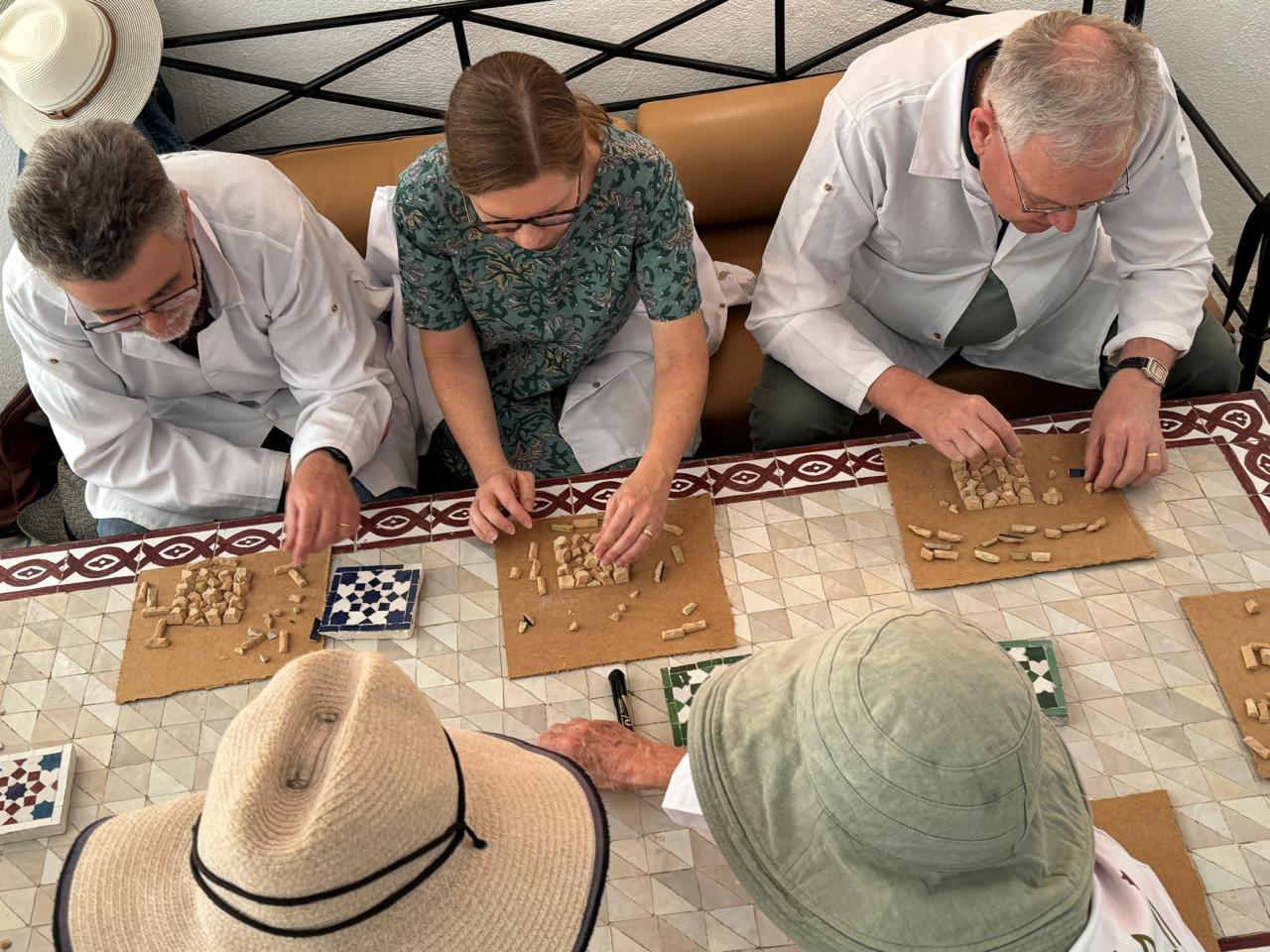
Shape clay into traditional Moroccan pottery and craft colorful mosaic tiles in an authentic artisan cooperative.
Reserve
2 hr 30 min
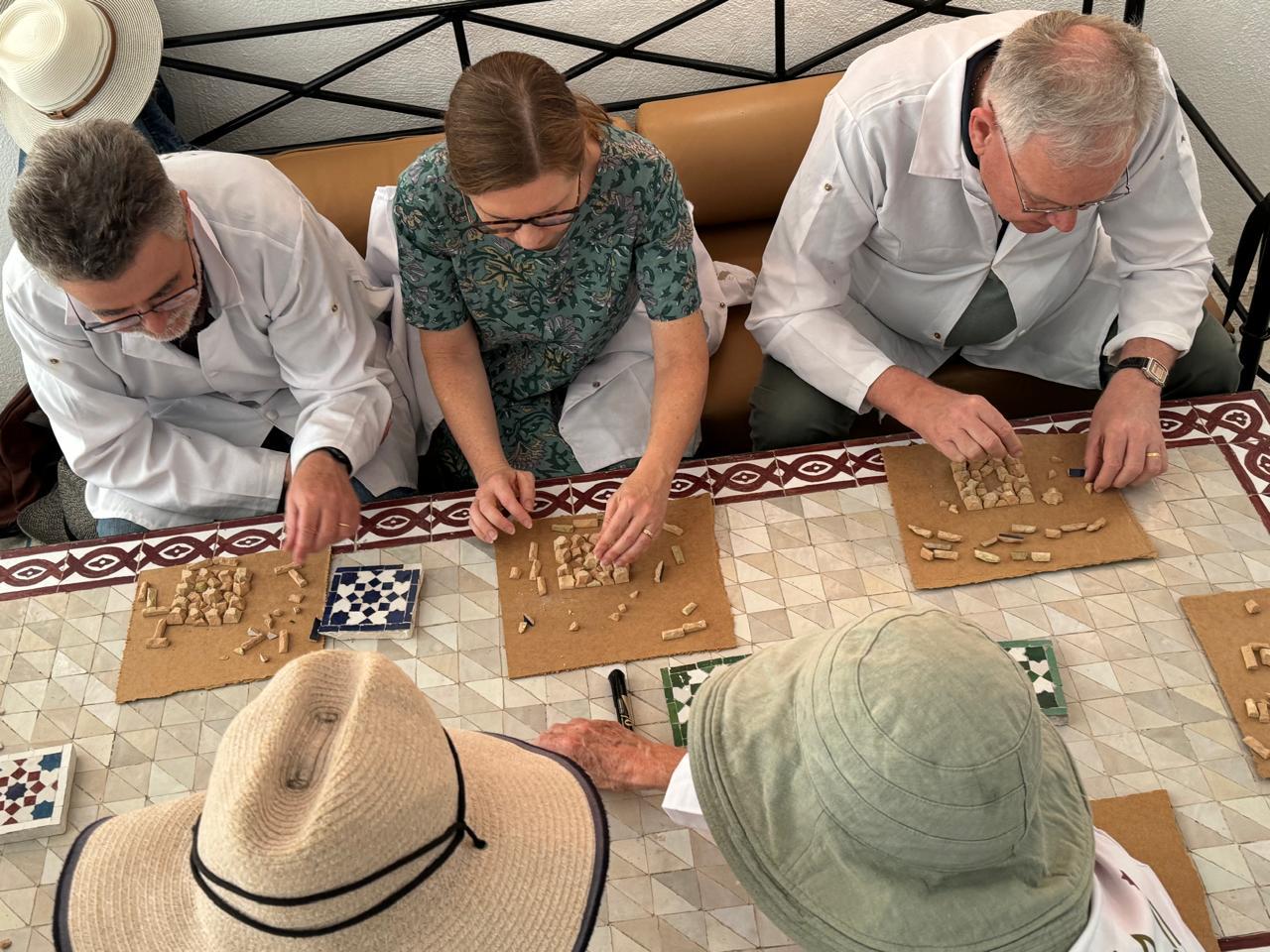
Shape clay on a potter's wheel, paint ceramics, and solve a mosaic puzzle in a traditional Moroccan atelier
ReservePrices from verified partners. Availability updates in real time at checkout. Free cancellation policies apply where shown.
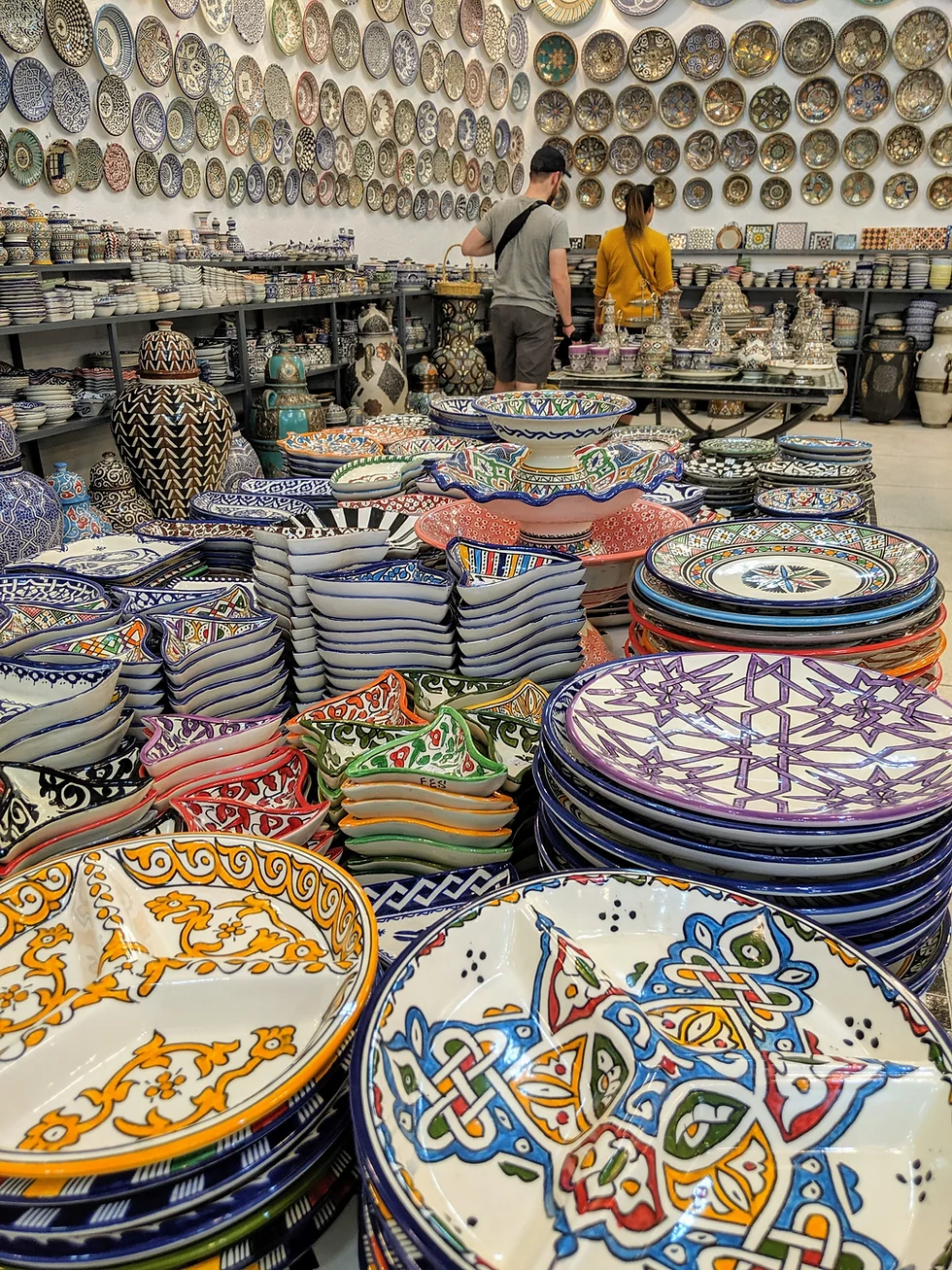
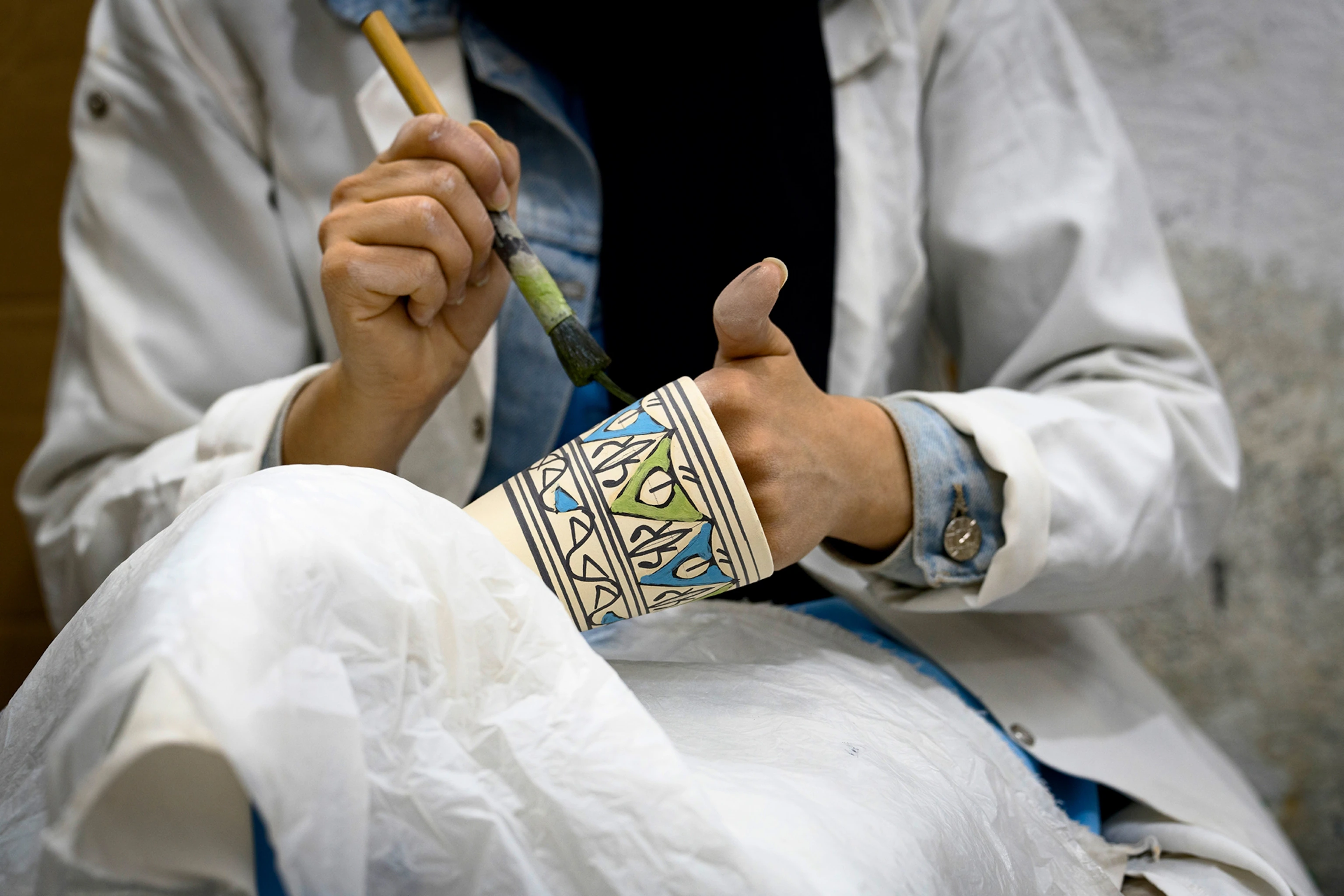
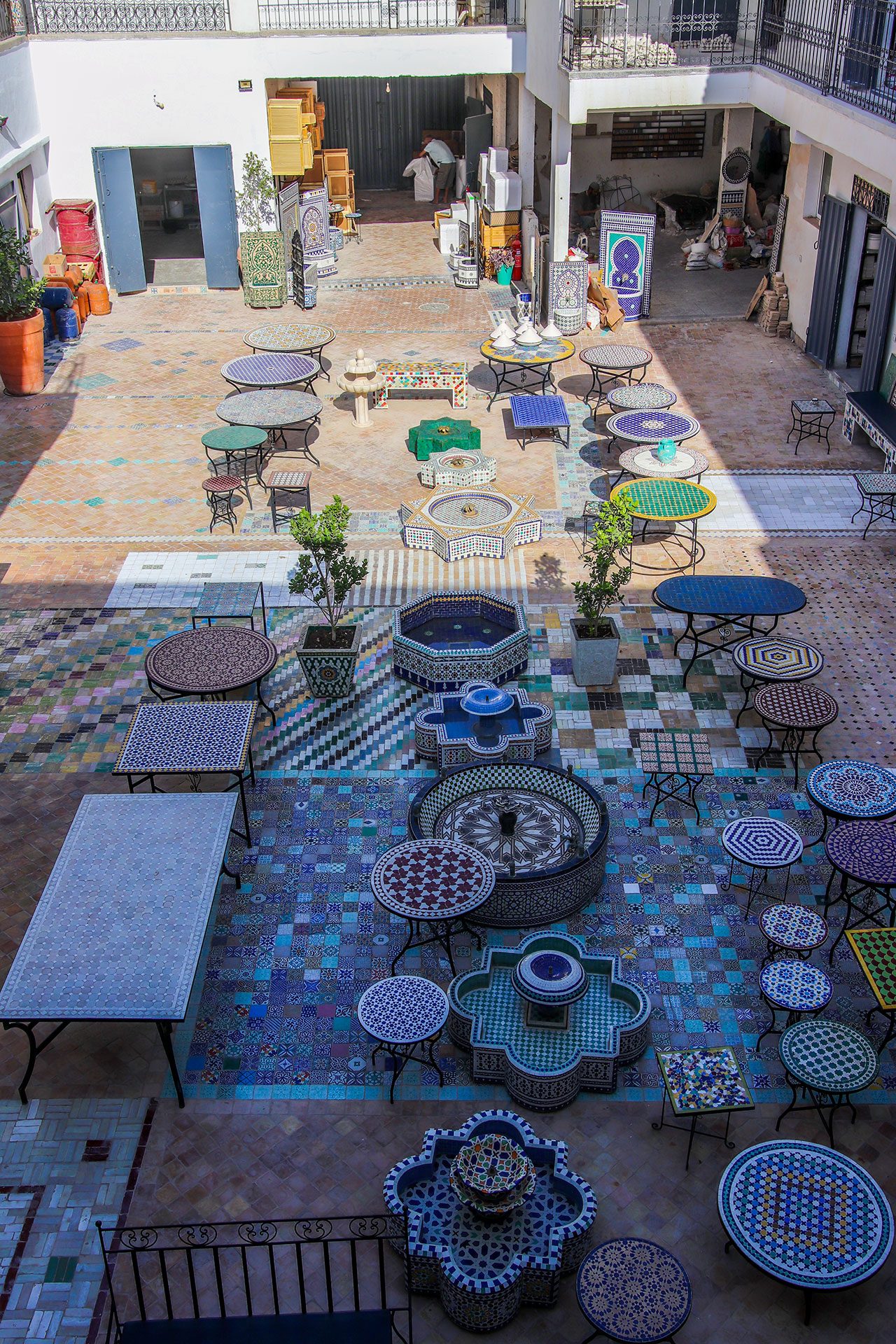
The landmarks, rooms, and views travelers on Fez Pottery Class tours remember — all visible on a single visit.
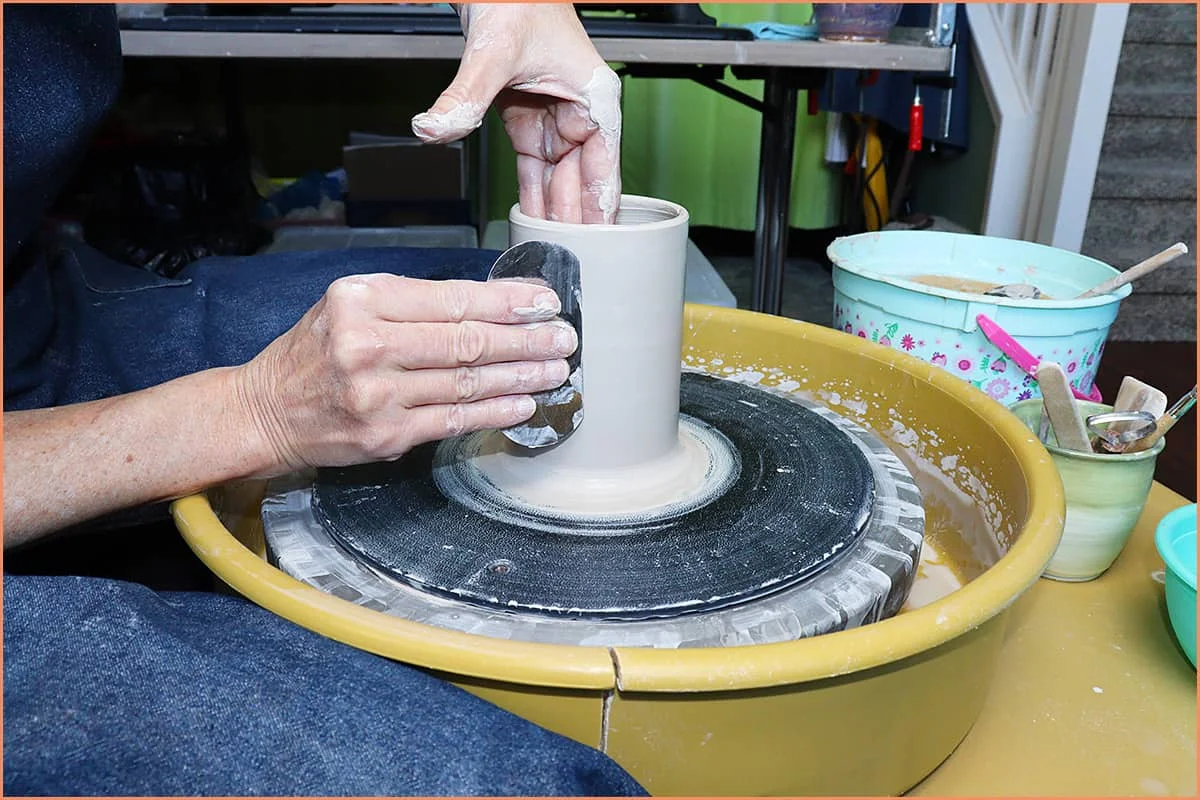
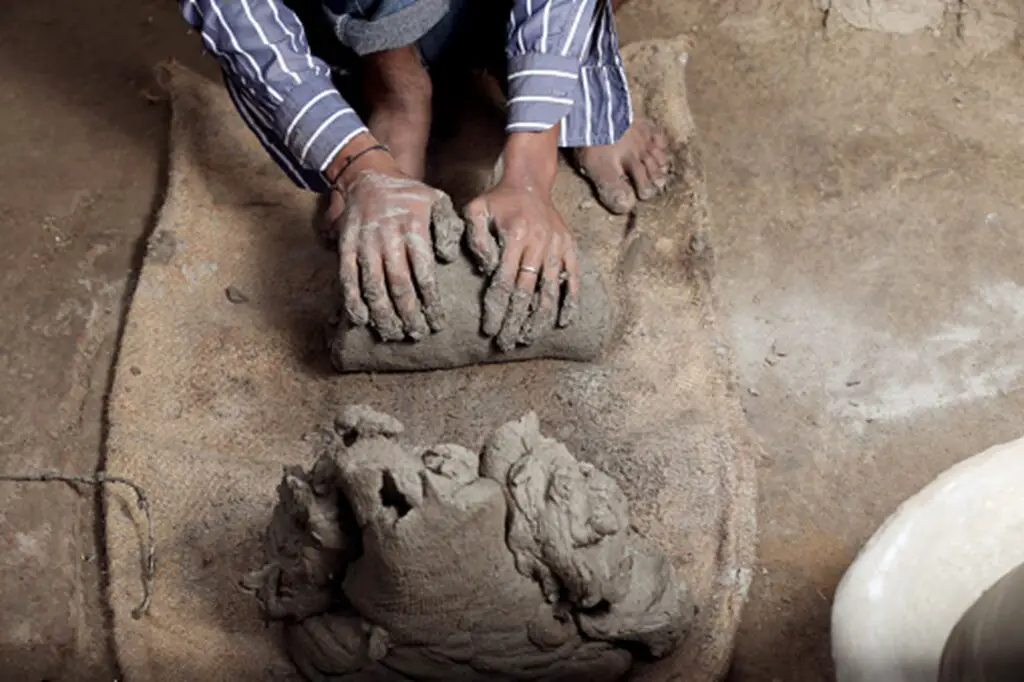
Artisans refine raw clay by hand in large basins to remove impurities.
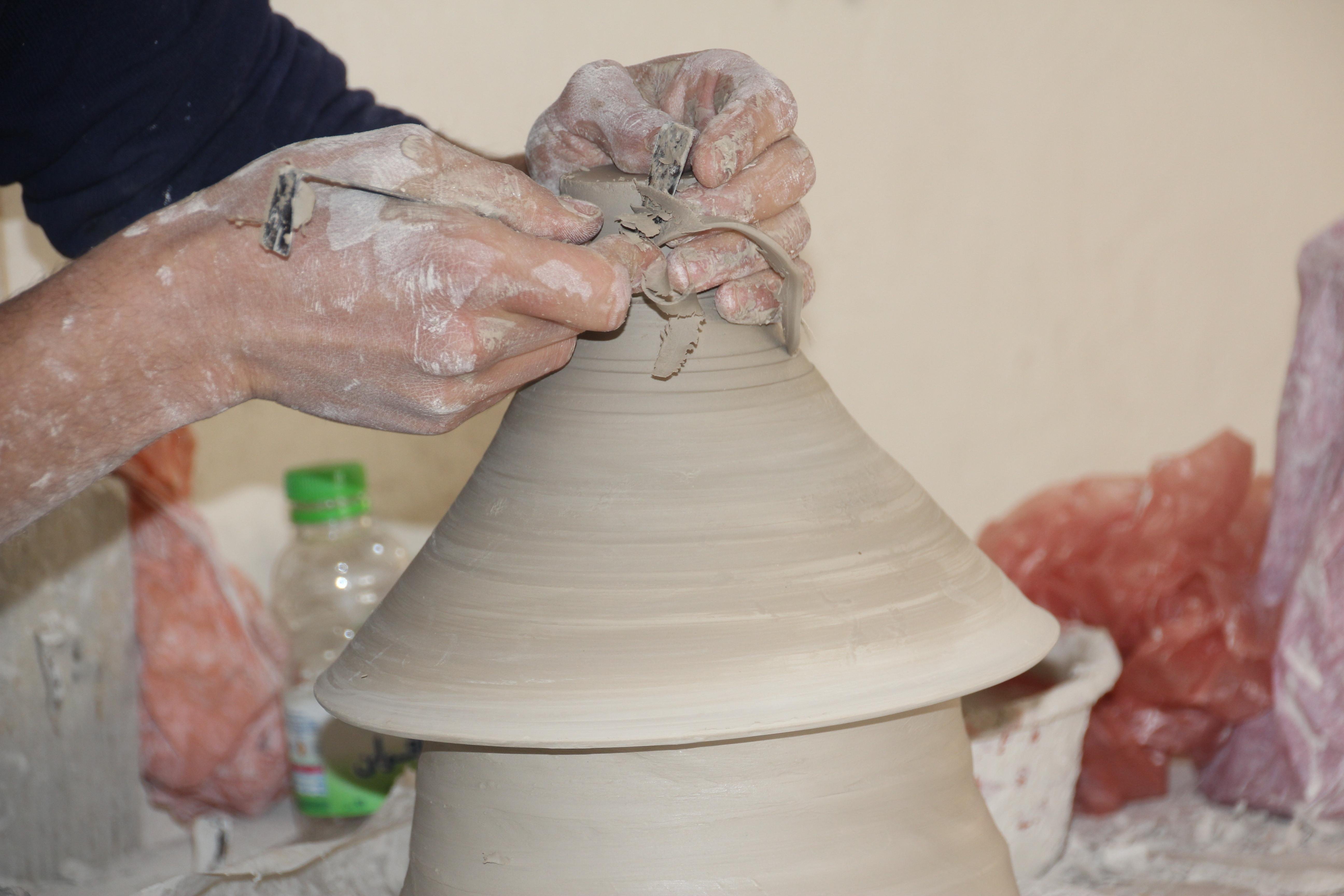
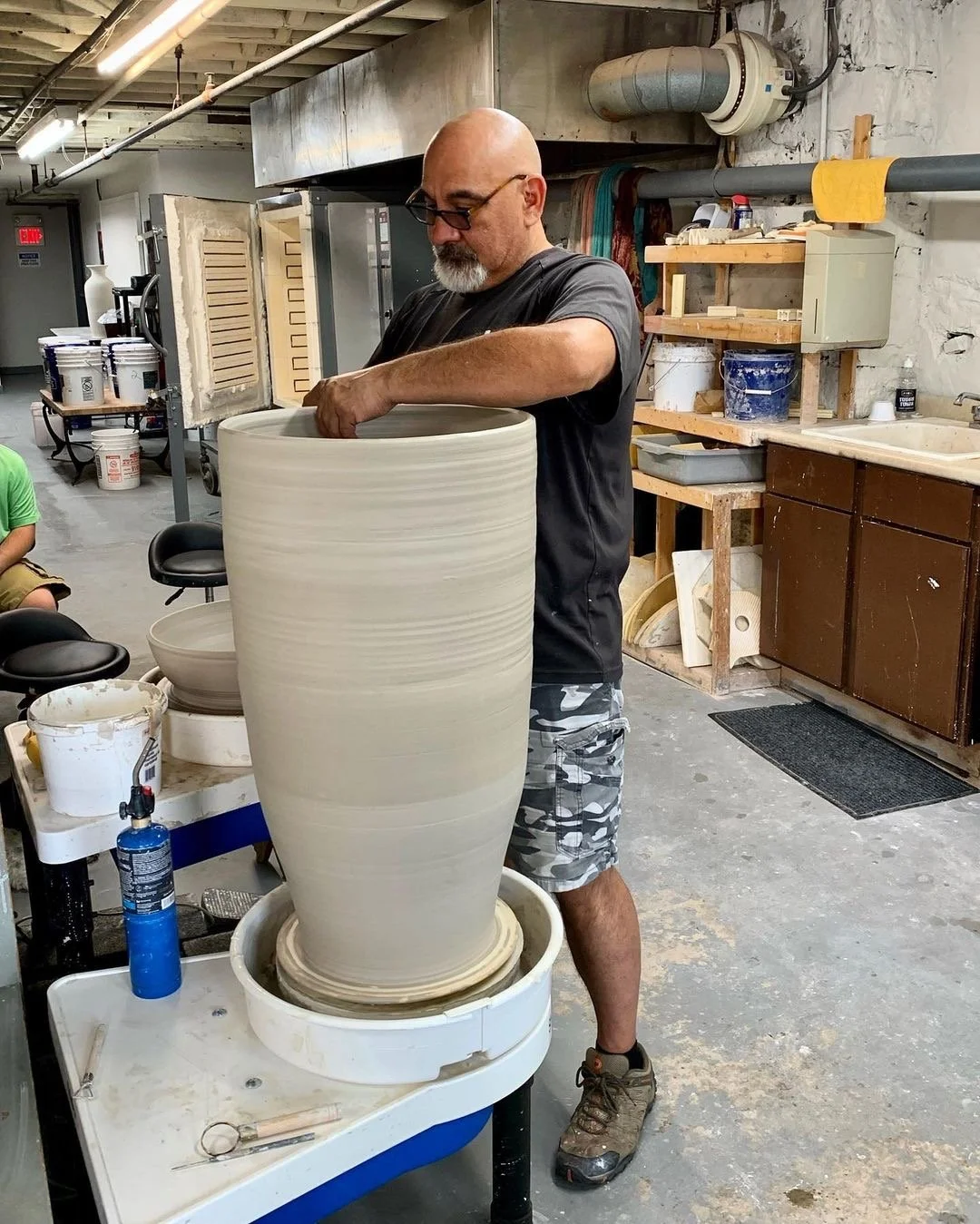
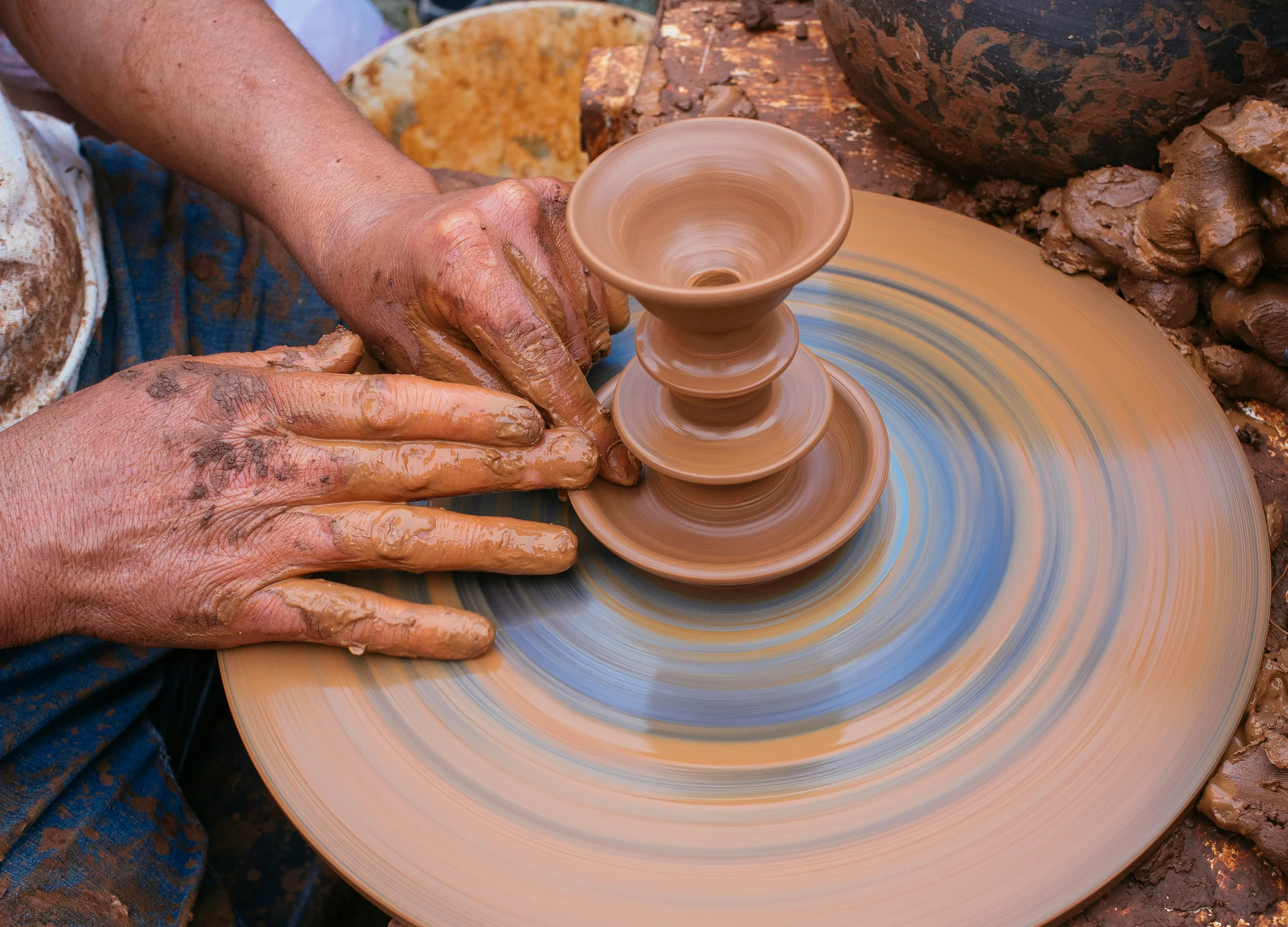
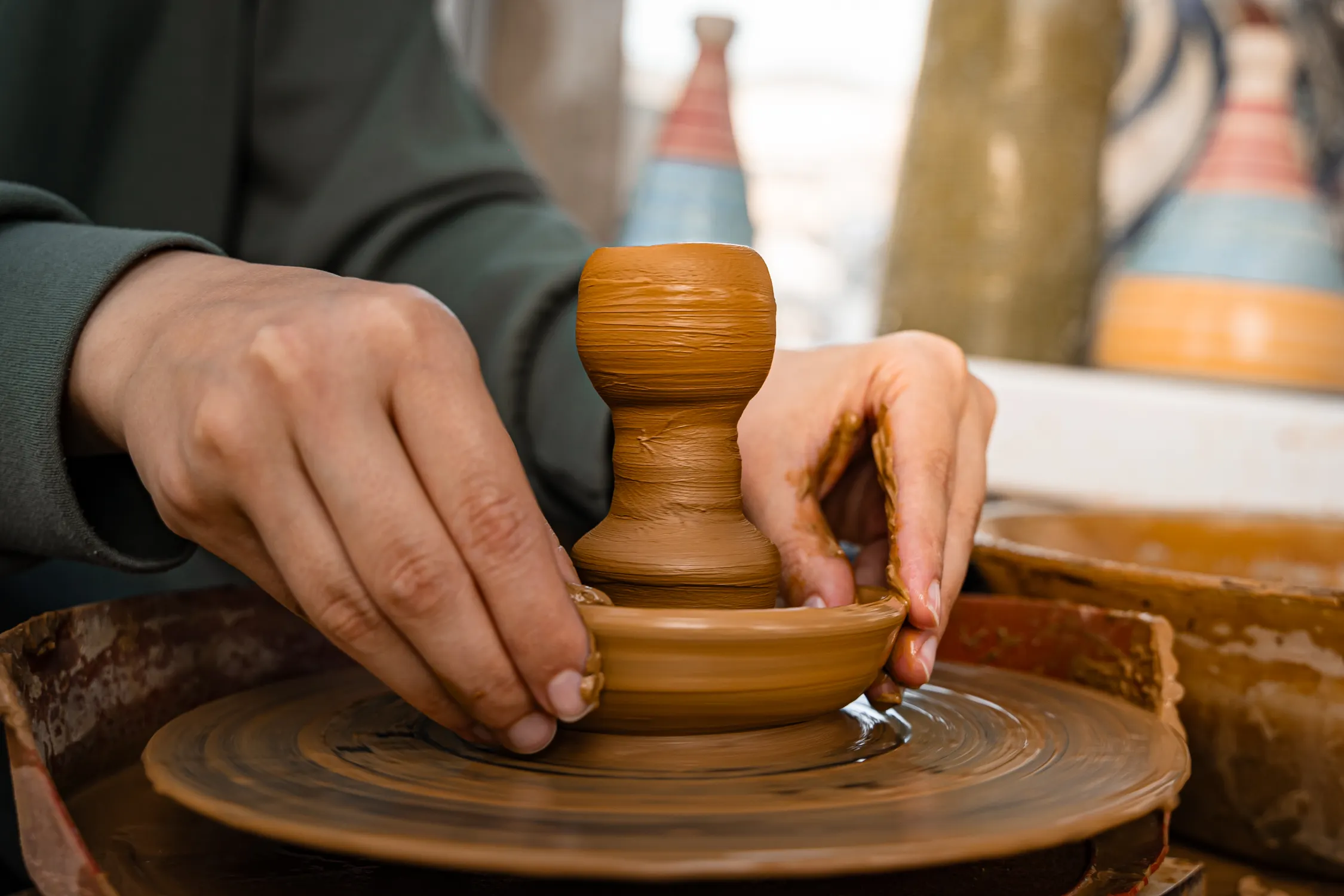
Master craftsmen use traditional kick wheels to shape intricate ceramics.
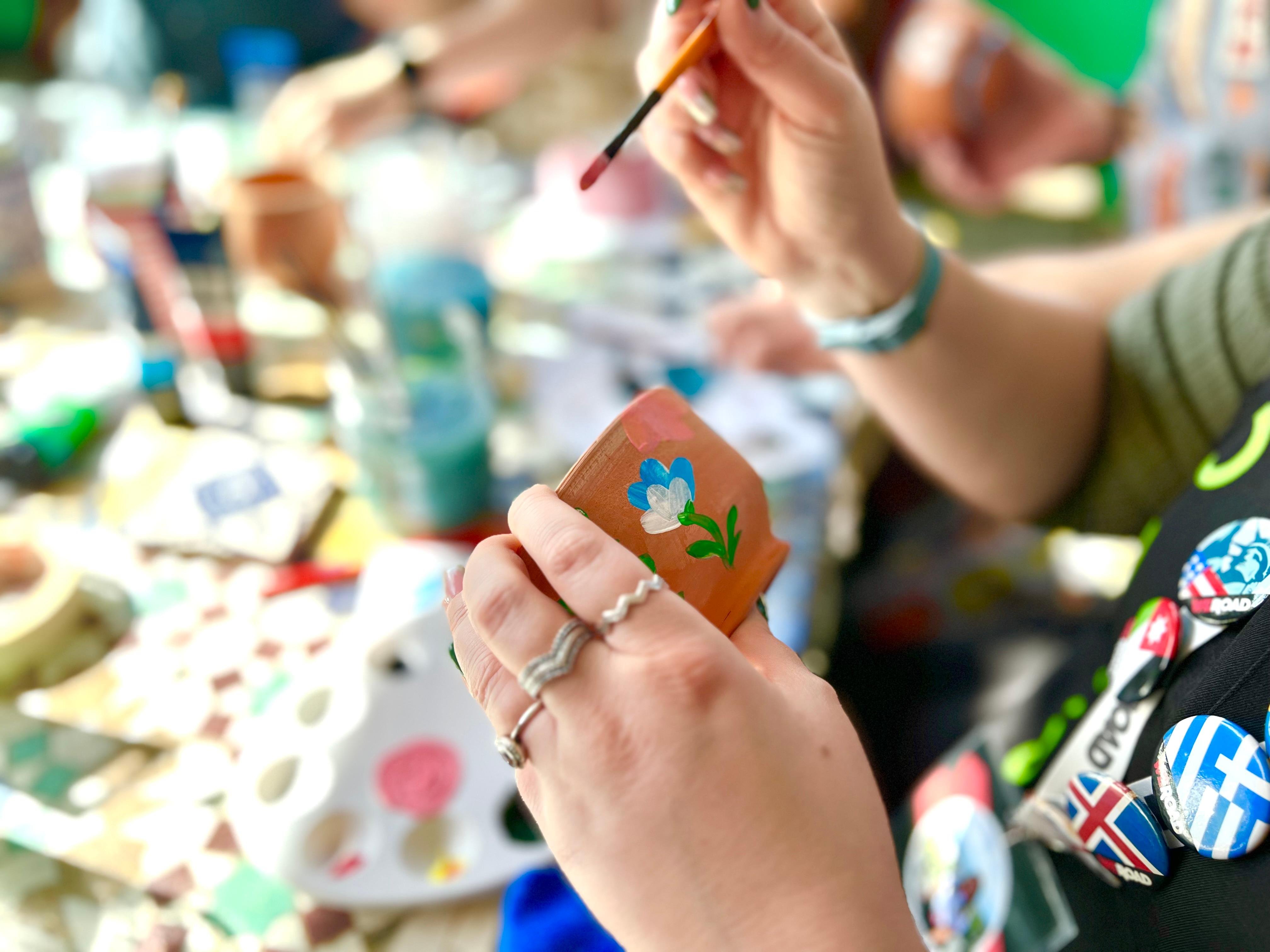
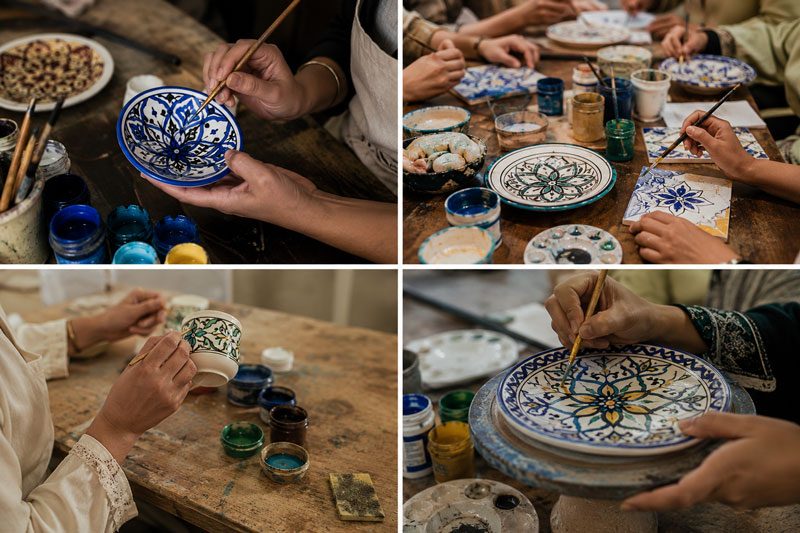
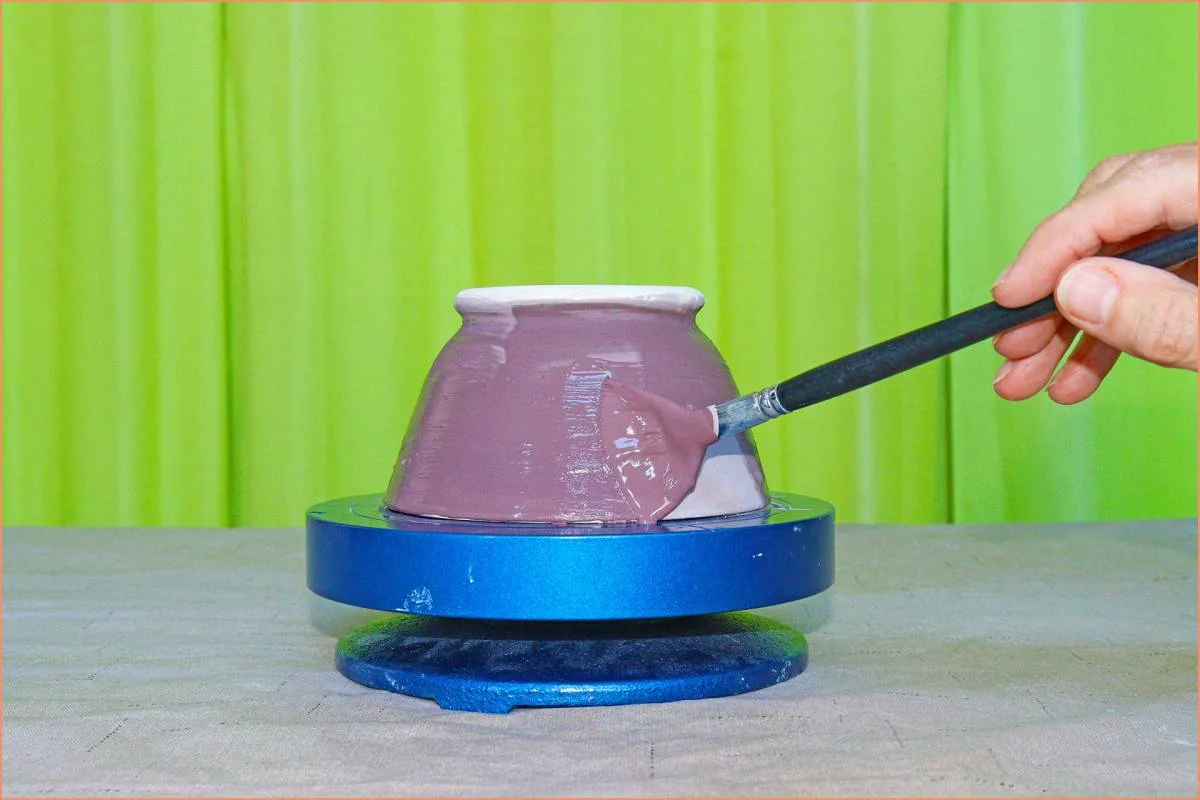
Decorative patterns are applied using natural mineral pigments and brushes.
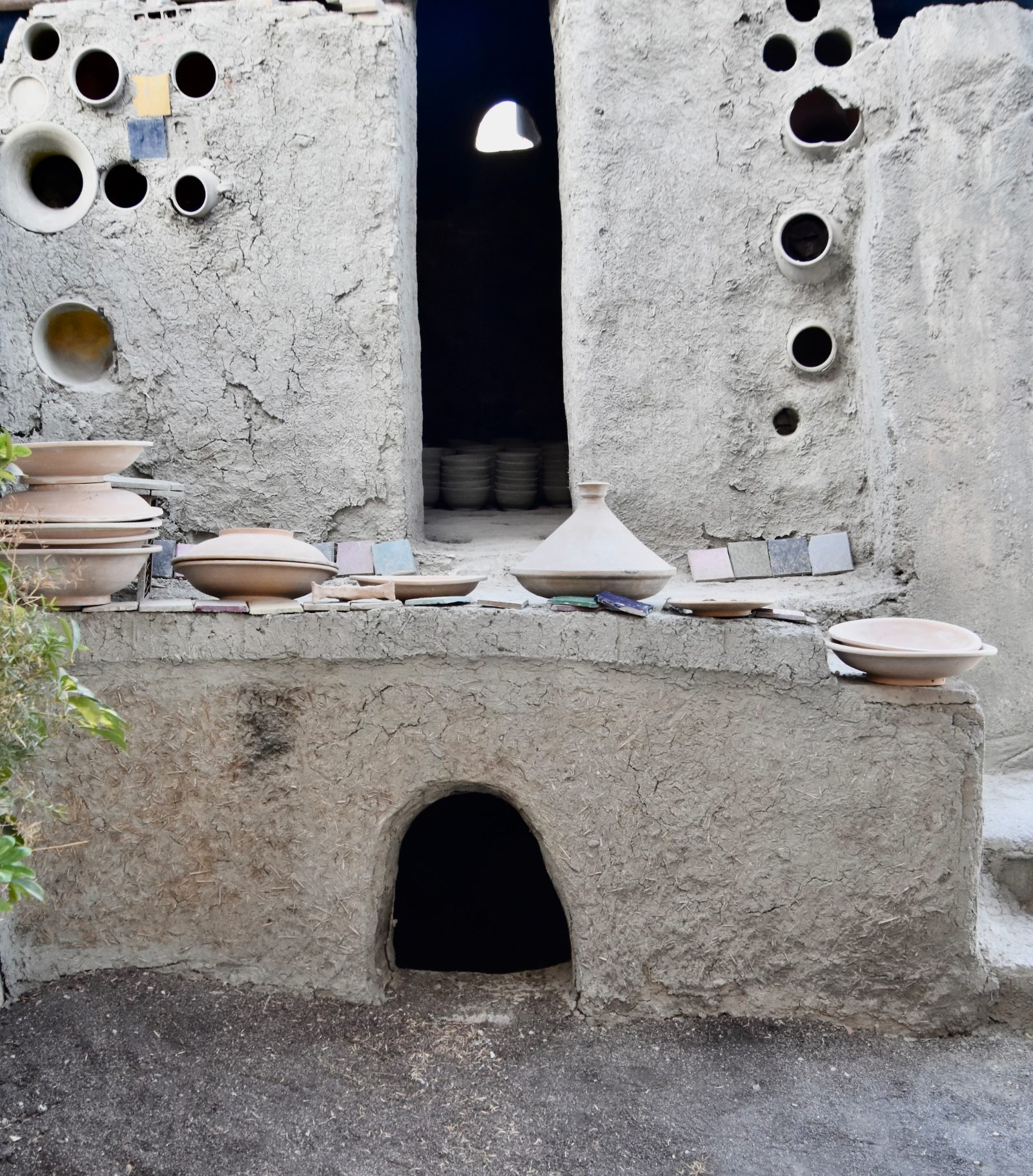
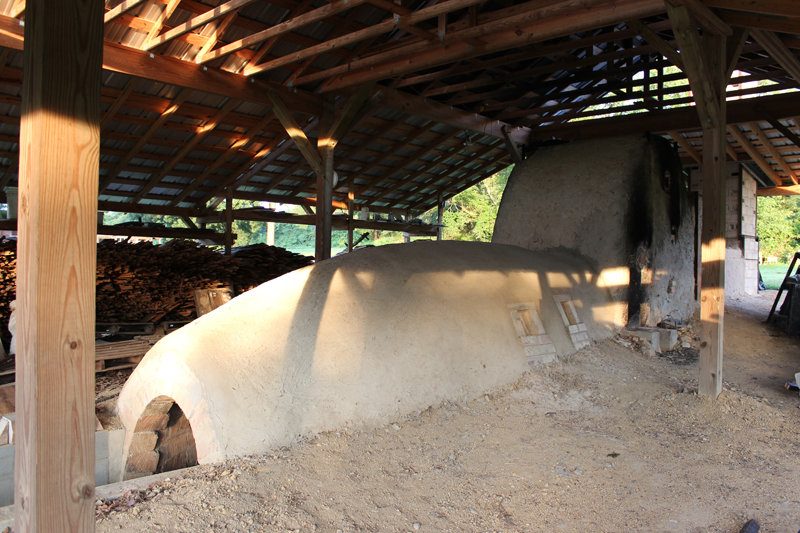
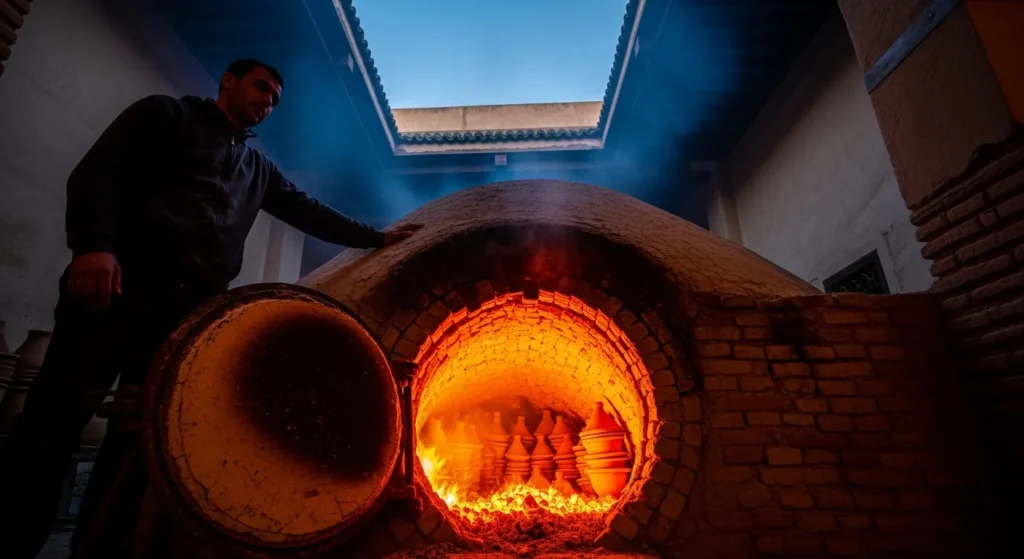
These massive kilns reach extremely high temperatures to harden the ceramic goods.
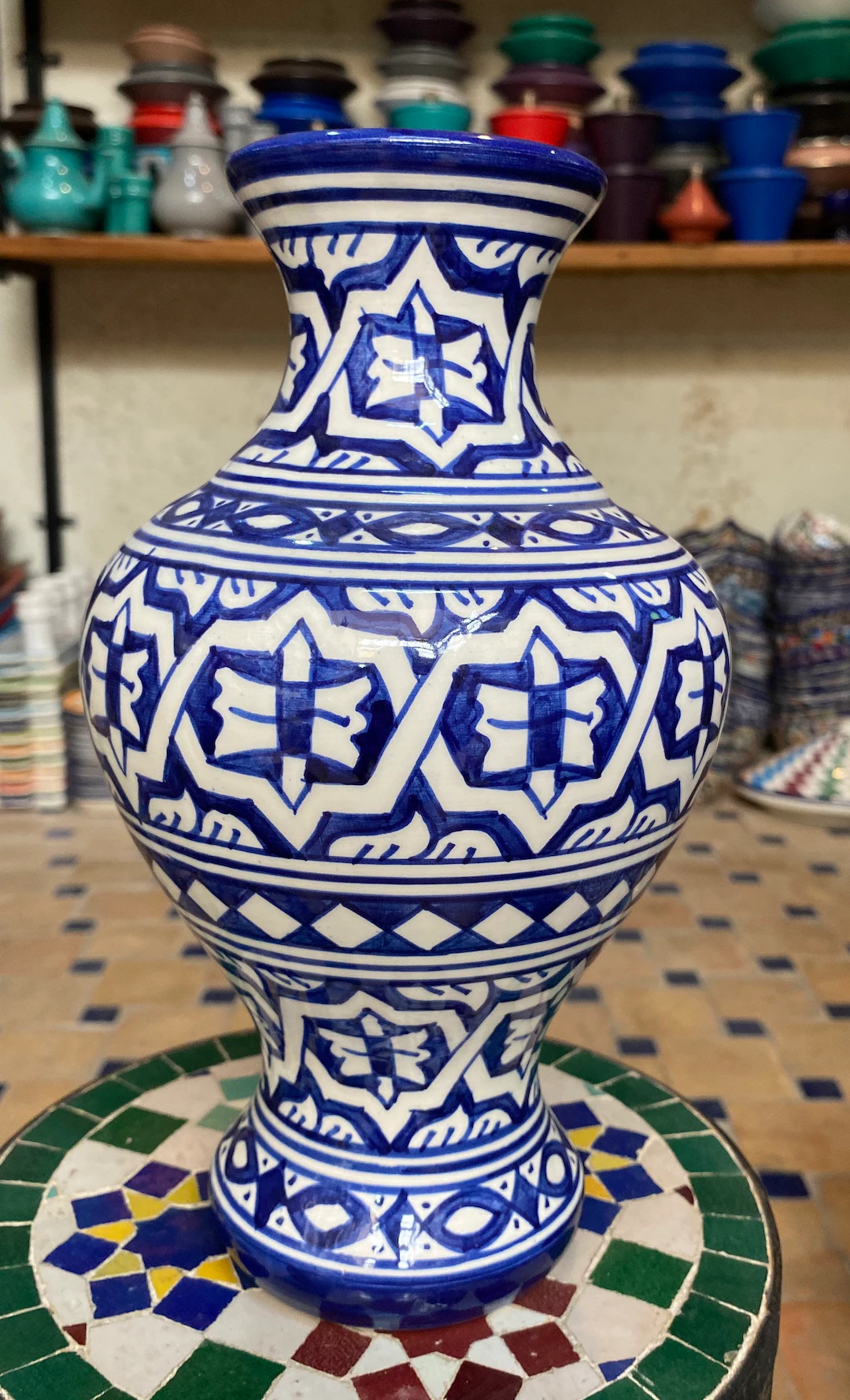
Finished works showcase the distinctive blue and white cobalt designs of Fes.
Every Fez Pottery Class tour side-by-side — duration, what's included, how you redeem.
| Experience | Duration | Rating | Transfers | Pickup | Small group | Free cancel. | Price | |
|---|---|---|---|---|---|---|---|---|
|
Standard Entry Most popular
Fes Pottery Painting Workshop
|
1 hr 30 min | ★ 4.9 | — | — | ✓ | ✓ | €12 | Book → |
|
Standard Entry
Hands-On Pottery & Zellige Mosaic Workshop with Master Craftsmen
|
2 hr 30 min | ★ 4.9 | — | ✓ | — | ✓ | €42 | Book → |
|
Standard Entry
Pottery & Zellige Tile Workshop in Fez
|
2 hr 30 min | ★ 4.4 | ✓ | ✓ | ✓ | ✓ | €40 | Book → |
All prices from verified partners. Availability and exact terms confirmed at checkout.
They complement each other; most visitors who do both call the hands-onfez pottery class more fulfilling for understanding clay craftsmanship, whereas shopping in the Medina is better for acquiring finished goods. Engaging in a fez pottery class tour provides a deeper technical appreciation of local techniques compared to simply browsing stalls.
| Feature | Top pick Fez Pottery Class | Medina Pottery Shopping |
|---|---|---|
Level of engagement |
Active creation | Passive observation |
Physical requirements |
Moderate manual dexterity | Low walking effort |
Skill development |
Ceramic techniques and shaping | None |
Primary focus |
Artisan instruction and learning | Commercial transaction and selection |
Authenticity of process |
Direct workshop involvement | Retail market display |
Location context |
Ain Nokbi studio | Old Medina bazaar |
| See tickets → |
Verdict: Select a fez pottery class tickets for a creative deep dive, or choose the Medina for a convenient acquisition of finished ceramic art.
Choose your ticket, select your date, and reserve in under two minutes. Secure checkout handled by our verified partner.
Instant confirmation by email, with a mobile voucher you can save offline. No printing, no queuing at a collection desk.
Arrive at the entrance, show your voucher on your phone, and walk in. Most tickets include priority or skip-the-line access.
Practical details for Fez Pottery Class tickets straight from our verified partners — hours, access, rules, and how to get there.
Ain Nokbi, Fes, Morocco
Look for the prominent artisan sign
Open in Google MapsThe most direct route from the Medina is via Petit Taxi.
Follow signs for Ain Nokbi, parking is available near the main road.
Casual clothing that can tolerate clay dust and water is recommended. Avoid wearing jewelry or long sleeves that may interfere with pottery wheel operation.
Limited storage is available for personal items. Large backpacks should be left at your accommodation to keep workspace clear.
Photography is permitted during the fez pottery class tour. Please ask artisans for permission before capturing close-up footage of their techniques.
The workshop floor is level, though navigating the Ain Nokbi district involves uneven paths. Assistance is available upon request for those with mobility aids.
Mobile phones are allowed but should be kept in bags or pockets to prevent clay damage. Please set devices to silent mode during instruction.
Families are welcome, though children under 12 should be supervised closely around spinning wheels and kilns. Engaging in a fez pottery class helps kids understand local craftsmanship.
Water is provided during the session. We recommend eating a full meal before your fez pottery class starts as no restaurant is available on site.
No pets are allowed inside the pottery workshop. Guide dogs are permitted with prior notification.
Workshops often finish with a tour of the kiln area to see how finished pieces are fired. Ensure you coordinate transport pickup in advance since ride-sharing is infrequent in this area.
Best time to go, insider tips, nearby landmarks, and the cancellation fine print — flip through to skim what matters to you.
How crowds, weather, and events shift across the year.
Mild temperatures ideal for manual labor during your fez pottery class tours.
Early arrival is essential due to high heat in the workshop area.
Comfortable weather for exploring the wider artisan district after your session.
Cooler indoor kiln temperatures make this an ideal time for extended workshops.
Small details that turn a good visit into a great one.
Reserve your fez pottery class tickets online to secure your preferred slot.
Arrive between 08:00–12:00 for the best lighting and cooler temperatures.
Clay splatters are inevitable, so avoid delicate fabrics.
Ask the workshop manager about shipping finished, fired pottery to your home.
Buying directly from the workshop supports the artisan community of Ain Nokbi.
Pick up basic Arabic or French terms to communicate with local masters.
Non-bookable sights within a short walk — free to visit, easy to pair.
A vast walled city and UNESCO World Heritage site known for its winding alleys.
A historic religious school featuring intricate tilework and carved wood.
A beautifully restored funduq showcasing traditional Moroccan woodworking tools.
A historic garden offering a quiet escape from the bustle of the city.
Flexible, no hidden fees.
Workshop bookings typically require 24-hour notice for a full refund. Note that the 0 MAD entrance fee applies to the premises, but individual workshop fees are set by operators.
Hand-picked options within walking distance — pick a district for vibe, or a specific hotel for convenience.
Historic courtyard hotel with refined interiors.
Modern hillside hotel with panoramic city views.
Central area filled with traditional riads and guesthouses.
Accessible accommodation located near major city gates.
Simple lodgings scattered throughout the outer city.
The kilns of Ain Nokbi have fired Fassi ceramics for seven centuries, their brick chambers reaching temperatures that fuse cobalt into the white clay pulled from quarries outside the medina walls.
Fez pottery class workshops occupy the same courtyards where dynasty-era potters shaped albarelli for apothecaries and fountainheads for Marinid palaces, the craft unbroken since the Merenids patronized the quarter's 47 family ateliers in the fourteenth century. Today eleven workshops open their doors to visitors, offering half-day and full-day sessions where travelers work alongside ma'allem—master craftsmen who learned the wheel from fathers and grandfathers in an oral tradition that predates Morocco's independence.
The traditional pottery workshop experience begins at the clay preparation benches, where artisans demonstrate kneading techniques that remove air pockets before the wheel ever spins. Fez potters use a foot-powered kick wheel, a technology unchanged since Idrisid times, its momentum governed by the rhythm of the thrower's leg rather than electric motors. Participants shape bowls, tagines, or small decorative plates under the ma'allem's guidance, the clay cool and responsive in morning hours when workshops open at eight. The process unfolds in stages across weeks—throwing, drying, biscuit firing, glazing with cobalt oxide and copper green, then a second firing that reaches 980 degrees Celsius—but pottery class tours compress the demonstration into digestible segments, showing each phase through finished examples and live work.
Ain Nokbi sits southwest of Bab Ftouh, its workshops clustered along lanes where donkeys still deliver firewood for the kilns. The quarter's output supplies souks across the medina: geometric zellige tile for riads, painted serving platters, the iconic blue-and-white Fassi palette derived from Spanish-Moorish aesthetics refined over generations. Visitors arrive to the scent of cedar smoke and the percussive rhythm of trimming tools against leather-hard clay, the sensory signature of a craft economy that employs 200 families in a single neighborhood. Each atelier maintains its own glaze recipes, small variations in mineral ratios that distinguish one workshop's cobalt intensity from another's—secrets shared reluctantly even among neighboring potters, the competitive pride of artisans whose reputations rest on a bowl's final gloss.

"The kilns of Ain Nokbi have fired Fassi ceramics for seven centuries, their brick chambers reaching temperatures that fuse cobalt into white clay."
A step-by-step walkthrough of Fez Pottery Class tickets — what you'll see, how long each stage takes, and the details that matter.
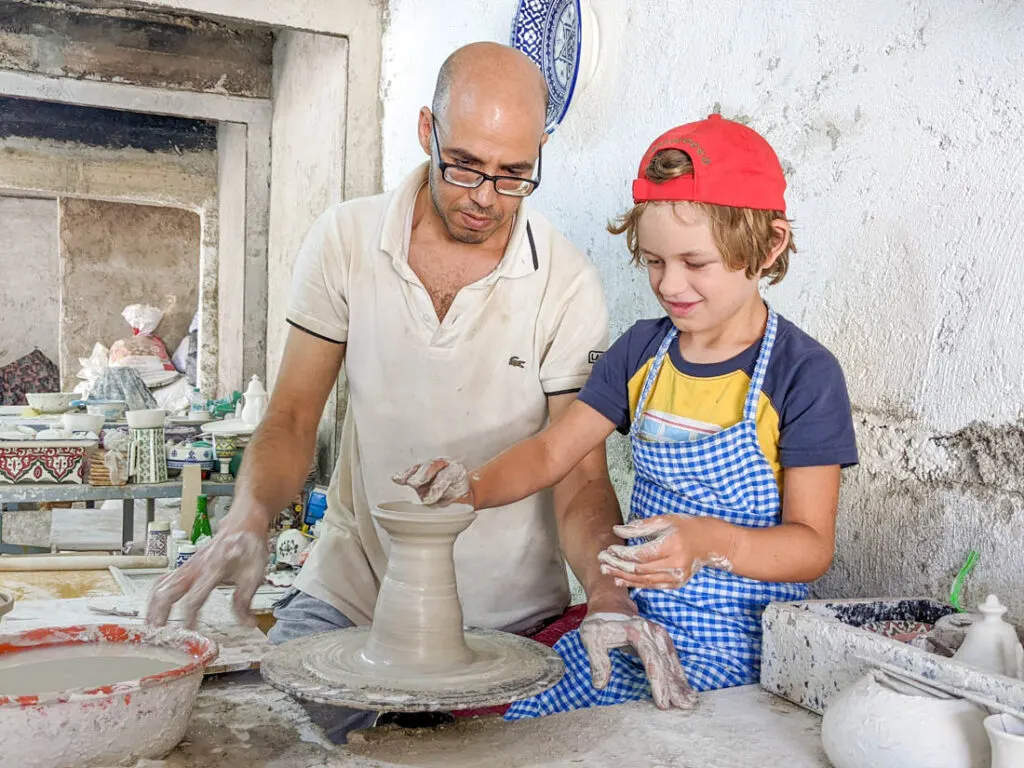
You arrive at a courtyard workshop in Ain Nokbi before the medina's heat peaks, greeted by a ma'allem in a clay-dusted apron who gestures toward a low wooden wheel. He demonstrates centering—palms pressing inward as the wheel spins, the clay rising and collapsing until it finds equilibrium—then invites you to try.
Your first attempt wobbles off-center; he steadies your hands, adjusting the pressure until the form holds. Fifteen minutes pass before you pull a small bowl's walls upward, the rim uneven but recognizably yours.
The ma'allem uses a wire to cut your piece from the wheel, setting it on a drying rack alongside dozens of others. He shows you the glazing station where an apprentice paints cobalt spirals onto biscuit-fired tagines, the blue pale now but destined to deepen in the kiln's second firing. You walk to the firing chamber—a domed brick structure with a floor-level stoke hole—and peer inside at stacked shelves of greenware awaiting their transformation. The heat radiates even when the fire sleeps.
Before leaving, you pass display shelves of finished work: plates with geometric calligraphy, vases in turquoise and saffron yellow, the traditional Fassi palette that marks pottery from this quarter. Your own bowl will fire over the next month, available for pickup or shipping if you arrange it. The ma'allem hands you a card with the workshop's name in Arabic and French, a clay thumbprint still visible in one corner.
The facility is open daily from 08:00–18:00.
Yes, booking your fez pottery class online is recommended to guarantee a station.
Absolutely, every session includes hands-on instruction tailored to your skill level.
Bring a camera, comfortable clothes that can get messy, and cash for tips.
Yes, guests are welcome to photograph the fez pottery class experience with permission.
The site has a 0 MAD entrance fee, though specific workshops are priced by operators.
There is no formal dress code, but wear comfortable clothing suitable for messy work.
Yes, children are welcome to participate in the fez pottery class under supervision.
The venue is located in Ain Nokbi, accessible by a 20-minute taxi ride from Fes.
Cancellations are typically accepted with 24 hours notice for a full refund.