
1 hr 30 min
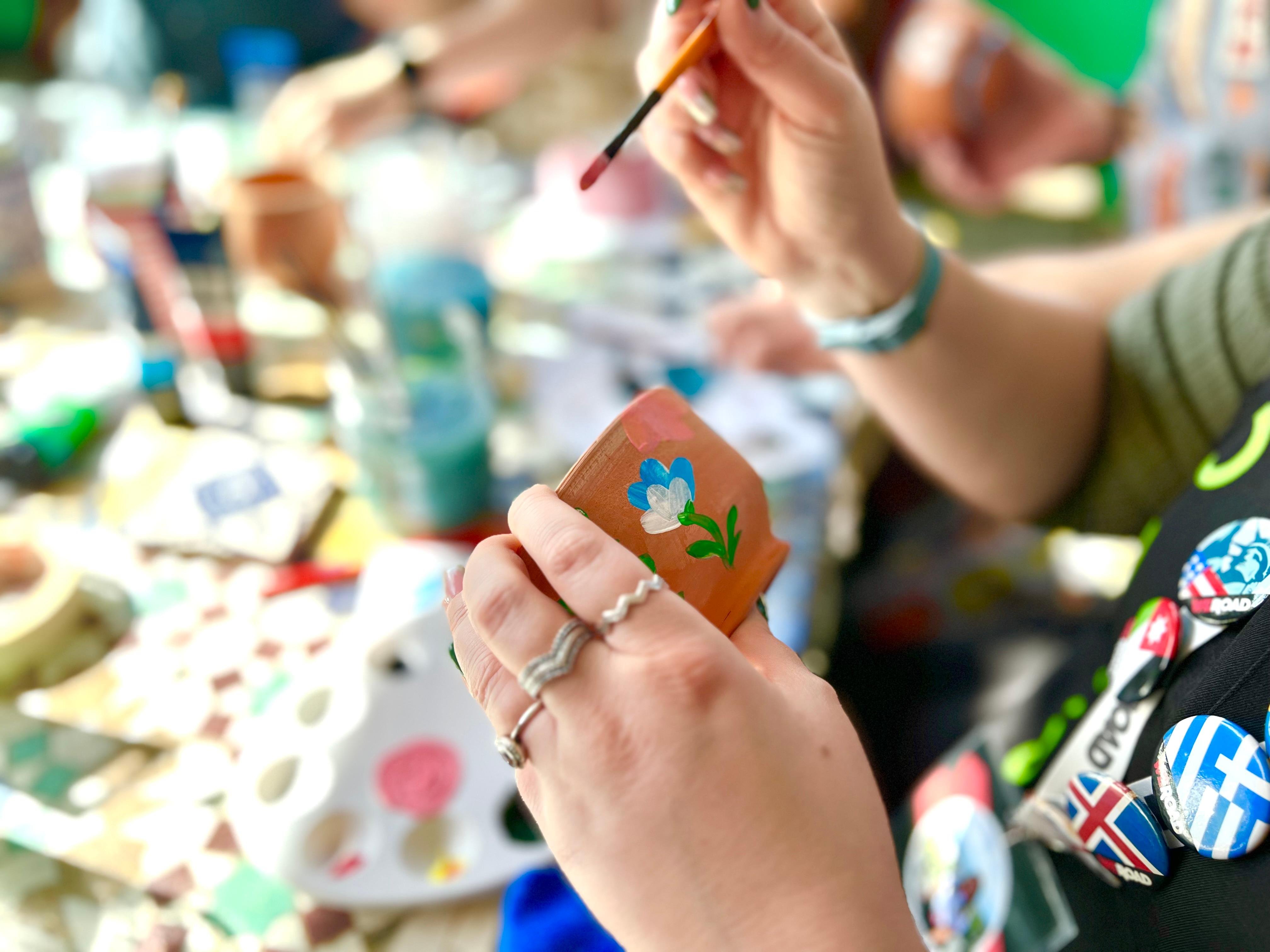
Paint Your Own Fes Pottery Workshop
Design and decorate authentic Moroccan ceramics in a hands-on painting session with local artisans
Reserve
Hand-picked by our editors — only the best 5 workshops from 18 reviewed.
Verified partners for every tour, free cancellation where available, and instant confirmation on every booking.
1 hr 30 min
Design and decorate authentic Moroccan ceramics in a hands-on painting session with local artisans
Reserve
2 hr 30 min
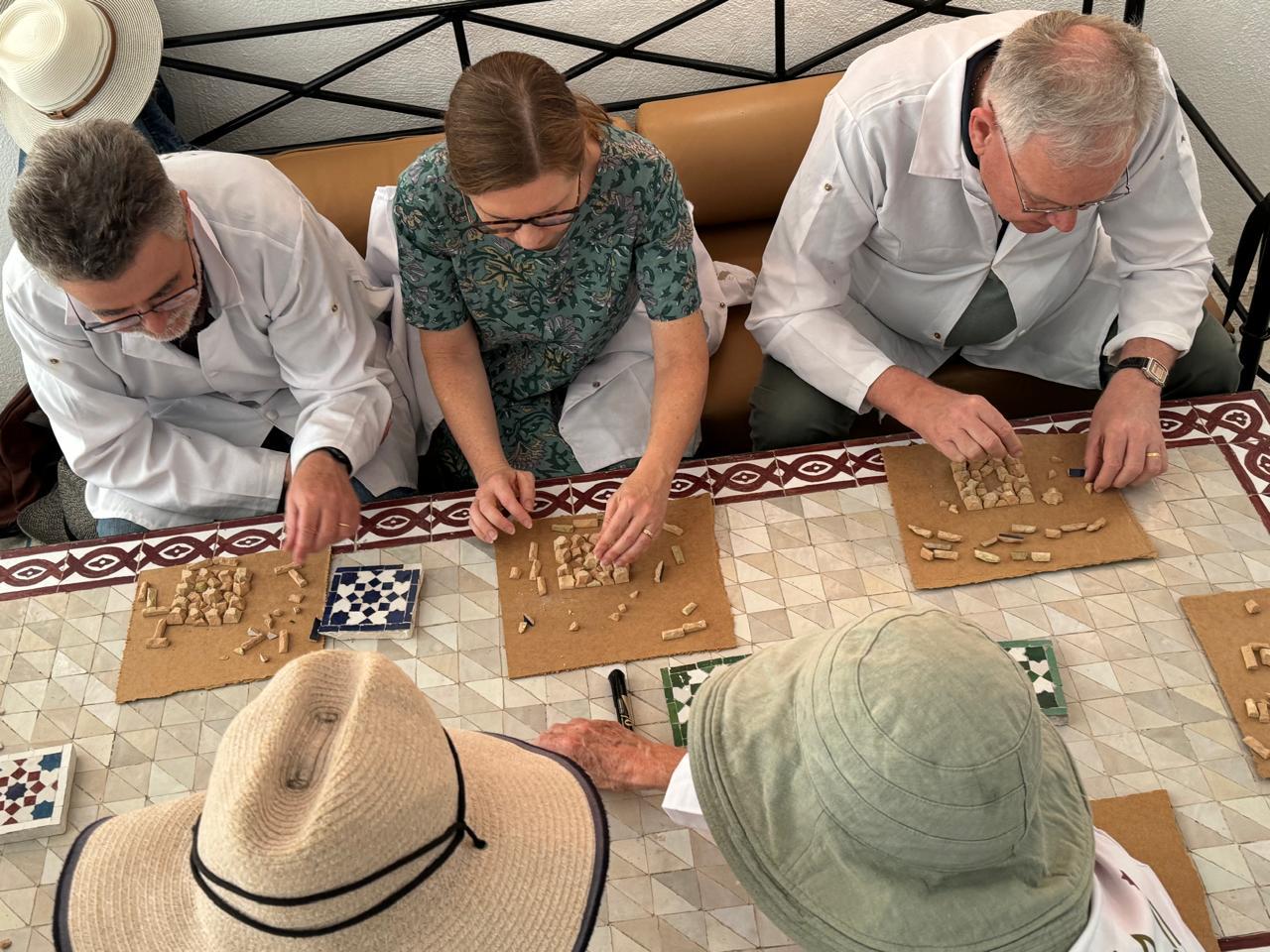
Shape clay vessels and arrange colorful mosaic tiles in a hands-on session led by Fes craftspeople
Reserve
2 hr 30 min
Shape clay on a potter's wheel, paint ceramic pieces, and solve a traditional mosaic puzzle in this artisan workshop.
ReservePrices from verified partners. Availability updates in real time at checkout. Free cancellation policies apply where shown.
The landmarks, rooms, and views travelers on this tour remember — all visible on a single visit.
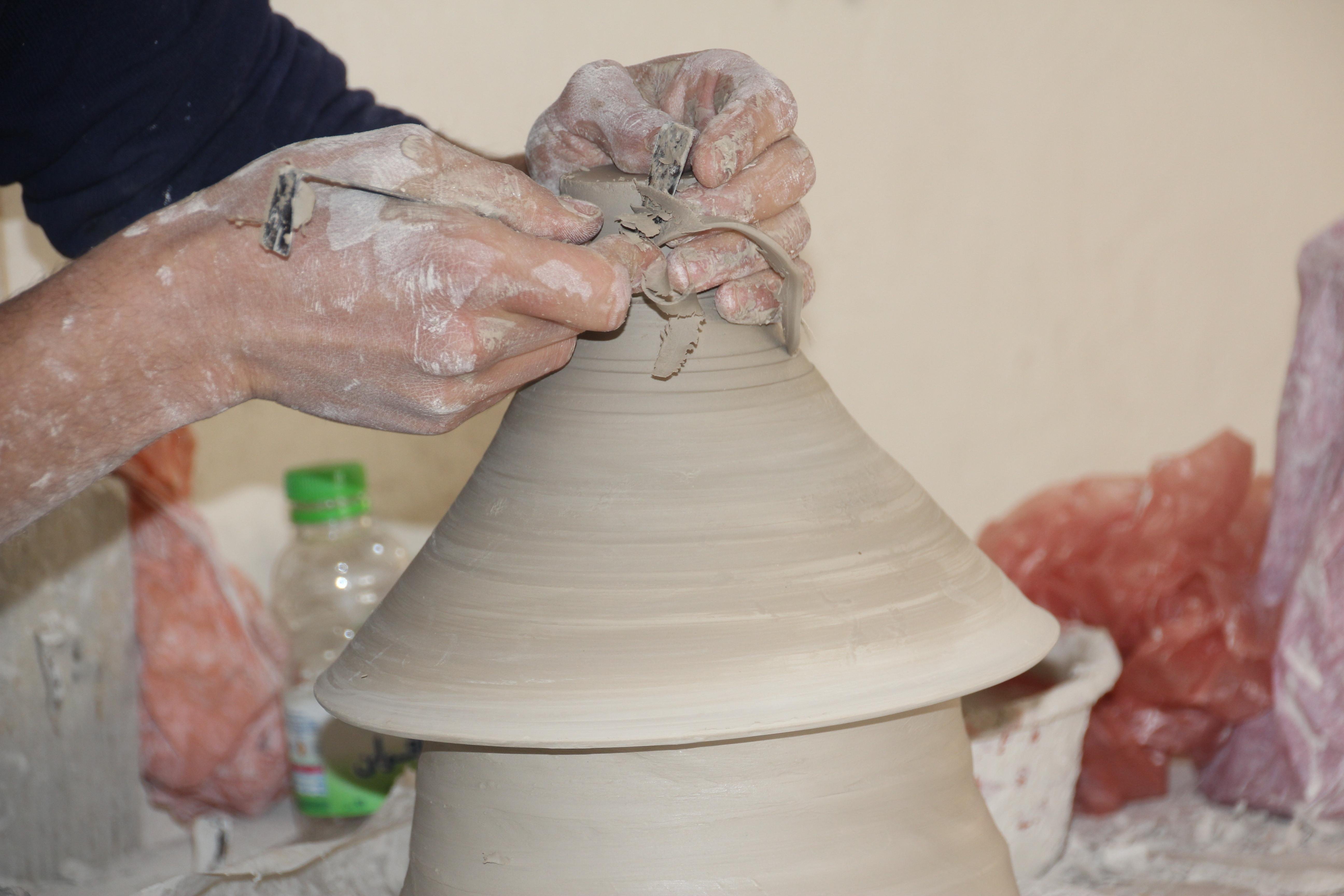
Try throwing your own vessel using the foot-powered wheels common in Fes.
They complement each other, yet those seeking deep mastery prefer a dedicated pottery class fez over the broader historical scope of a general city walk. While the walking tour provides essential cultural context, the workshop offers direct engagement with raw clay and the traditional kiln.
| Feature | Top pick Pottery Workshop | Fes Medina Walking Tour |
|---|---|---|
Hands-on participation |
Active creation with clay | Observational only |
Depth of technical instruction |
Advanced craft techniques | General cultural overview |
Time spent on pottery |
2–4 hours | 15–30 minutes |
Focus of the experience |
Artisan skill acquisition | Geographic and historical navigation |
Skill development |
Significant technical improvement | No skill acquisition |
| See tickets → |
Verdict: Choose a pottery class fez tour if you want to master the potter's wheel, or opt for a walking tour if you prefer a wide-ranging introduction to city landmarks using pottery class fez tickets as a supplementary activity.
Choose your ticket, select your date, and reserve in under two minutes. Secure checkout handled by our verified partner.
Instant confirmation by email, with a mobile voucher you can save offline. No printing, no queuing at a collection desk.
Arrive at the entrance, show your voucher on your phone, and walk in. Most tickets include priority or skip-the-line access.
Practical details for your visit straight from our verified partners — hours, access, rules, and how to get there.
Ain Nokbi Pottery Quarter
Main pottery district entrance
The most efficient way to reach the Ain Nokbi area from the medina.
Modest clothing is recommended when visiting the pottery district to respect local customs. Wear comfortable, closed-toe footwear suitable for walking through workshop areas.
Keep belongings secure and avoid bringing large luggage to the workshop. Small bags are generally fine, but limited storage space is available on-site.
Photography is generally welcomed in the pottery quarter and workshops. Always ask artisans for permission before taking close-up photos of them or their work.
While the pottery district is an open area, some individual workshops may have uneven floors or stairs. Guests with mobility concerns should notify their provider before arriving.
The Ain Nokbi area is family-friendly, and many workshops offer activities suitable for children. Always supervise younger children around kilns and tools.
Refreshments like tea are often provided during workshops, but full meals are not included. Carry a water bottle and plan for lunch in the nearby medina.
Best time to go, insider tips, nearby landmarks, and the cancellation fine print — flip through to skim what matters to you.
How crowds, weather, and events shift across the year.
Mild temperatures make the Ain Nokbi workshop visits very comfortable from March to May.
September to November offers cool weather ideal for outdoor pottery demonstrations.
Expect high temperatures; visit the pottery district early in the morning.
Crowds are smaller, making it a great time for private tours and personalized attention.
Small details that turn a good visit into a great one.
Private pottery class Fez sessions fill up quickly during peak seasons.
Observe the traditional firing process to understand the craft's complexity.
Many workshops can arrange international shipping for larger ceramic purchases.
Verify if your pottery class Fez tour includes hotel pickup and drop-off.
Have small denominations of Dirham for local artisan tips or minor purchases.
Non-bookable sights within a short walk — free to visit, easy to pair.
The iconic blue-tiled western gate entrance to the medina.
A stunning example of Marinid architecture with intricate woodwork.
One of the oldest and largest leather tanneries in the city.
A beautifully restored 17th-century site in the Jewish quarter.
Flexible, no hidden fees.
Most pottery class Fez private tours allow cancellation up to 24-48 hours before the scheduled time for a full refund. Please confirm specific terms with your selected operator.
Hand-picked options within walking distance — pick a district for vibe, or a specific hotel for convenience.
Traditional riads and historic boutique guesthouses.
The Ain Nokbi pottery quarter has operated on the same terraced hillside for seven centuries, its kilns stacked against the southern wall of the medina where clay beds once lined the riverbank. Fez emerged as Morocco's ceramic capital in the thirteenth century when Andalusian refugees brought cobalt glazing techniques and geometric tile patterns that would define zellige art across the Islamic world. Today the quarter houses forty active workshops, most family-run, where artisans still mix pigment from crushed lapis and malachite and fire pieces in wood-burning kilns that reach eleven hundred degrees Celsius. A pottery class Fez tour places visitors inside this unbroken lineage. Workshops occupy vaulted rooms where walls are caked with decades of glaze dust and wheels spin on hand-carved poplar axles. Master potters — ma'alems — guide participants through the vocabulary of Fassi ceramics: the deep indigo that brands Fez ware, the white slip base that accepts fine brushwork, the tessellated geometry of zellige mosaic tiles cut one by one with a hammer and chisel. Most sessions begin at a potter's wheel, shaping tagines or bowls from terracotta dug from quarries near Sefrou, twenty kilometers south. The clay is heavy, iron-rich, and unforgiving; centering it requires pressure and patience. Instructors correct hand position in Darija, then demonstrate the pull that thins a wall or flares a rim. Zellige instruction follows a different cadence. Artisans lay out pre-fired tiles in traditional patterns — stars, crosses, eight-pointed rosettes — and participants learn to score, snap, and fit pieces into interlocking frames. The tiles are glazed in the palette that has defined Moroccan architecture for centuries: cobalt, turquoise, saffron, celadon, and bone white. Each color requires a separate firing cycle, and the final assembly is grouted with lime mortar. Workshops conclude with a walk through the kilns, where stacks of bisqueware await their second firing and finished pieces cool on wire racks. The quarter operates seven days a week, morning hours preferred when the forges have not yet raised the ambient temperature and artisans work at their steadiest pace. Entrance to the district itself is free; pottery class Fez experiences are private bookings arranged through individual ateliers.
"The clay is heavy, iron-rich, and unforgiving; centering it requires pressure and patience."
A step-by-step walkthrough of the visit — what you'll see, how long each stage takes, and the details that matter.
You arrive at the Ain Nokbi quarter mid-morning, descending a stepped alley where donkeys haul firewood and the air smells of wet clay and kiln smoke. Your workshop occupies a vaulted room with whitewashed walls and a floor dusted in terracotta powder. The ma'alem greets you in French, gestures toward a low wooden wheel, and places a five-kilogram lump of clay on the spinning disk. You wet your hands in a copper basin and press down, feeling the clay wobble off-center. He corrects your thumbs, repositioning them to cradle the form, and within three rotations the clay stabilizes into a smooth cone. You open the center with two fingers, pull the walls upward, and thin the rim until it curves like the edge of a tagine lid. The piece is uneven, but it holds. Next comes zellige. The artisan lays out a star pattern on a wooden board and hands you a hammer and a tempered chisel. You score a cobalt tile along a pencil line, tap twice, and the piece snaps cleanly. You fit it into the frame, flanked by white triangles and turquoise hexagons, grouting each seam as you go. Thirty minutes later the panel is complete, a twelve-pointed rosette destined for a fountain or courtyard threshold. You walk through the kiln yard, where a wood fire crackles inside a beehive oven and rows of unglazed bowls dry on cedar planks. The session ends with mint tea in the courtyard, your hands still chalked with slip.
The district is open from 09:00–17:00 daily.
Yes, entrance to the pottery district is 0 EUR; workshops are private paid experiences.
You can book online through reputable tour providers or directly with local artisan studios.
Yes, most workshops in the pottery class Fez district are family-friendly and welcome children.
Yes, but please be respectful and ask artisans before photographing them.
Arrive between 09:00–12:00 for cooler weather and fewer crowds.
The best way to reach Ain Nokbi is by taxi from the Fes medina.
No, all necessary tools and clay for your pottery class Fez are provided.
Smaller items might be ready, but fired pottery pieces often require a few days to glaze and cool.
Yes, you can easily combine your pottery class Fez visit with nearby sites like Bab Boujloud or the Chouara Tannery.