
2 hr 30 min
Pottery & Zellige Tile Workshop in Fez
Shape clay at the wheel, paint ceramics, and solve a mosaic puzzle in a working Moroccan atelier
Reserve
Hand-picked by our editors — only the best 5 experiences from 23 reviewed.
Verified partners for every tour, free cancellation where available, and instant confirmation on every booking.
2 hr 30 min
Shape clay at the wheel, paint ceramics, and solve a mosaic puzzle in a working Moroccan atelier
Reserve
1 hr 30 min
Learn ancient tile-setting methods from master craftsmen and create your own colorful mosaic to keep
Reserve
2 hr 30 min
Craft authentic Moroccan pottery and colorful mosaic tiles alongside master craftspeople in a traditional cooperative
ReservePrices from verified partners. Availability updates in real time at checkout. Free cancellation policies apply where shown.
The landmarks, rooms, and views travelers on this tour remember — all visible on a single visit.
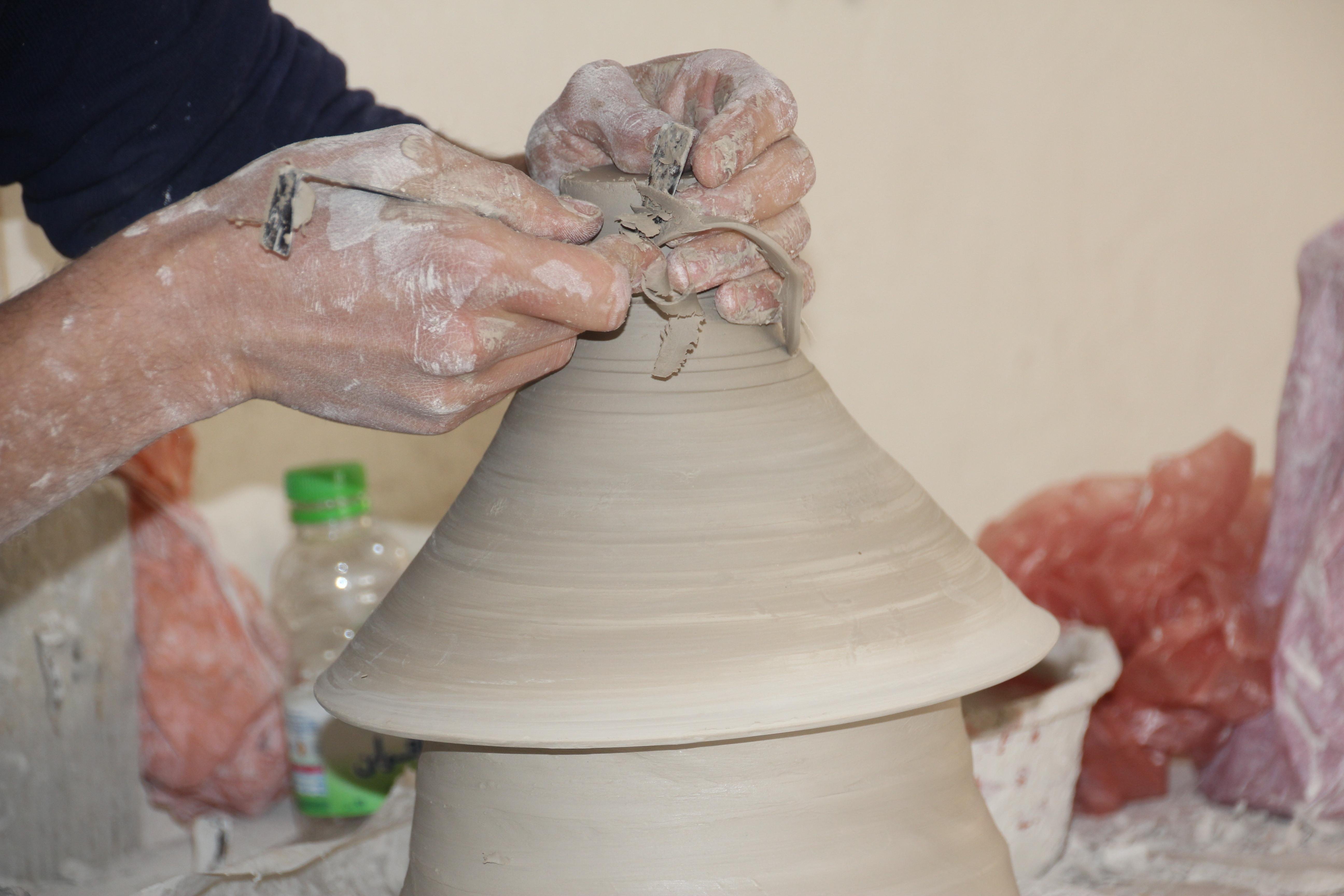
Artisans mix natural clay with water to achieve the perfect consistency for molding. This foundational stage dictates the quality of the final tile.
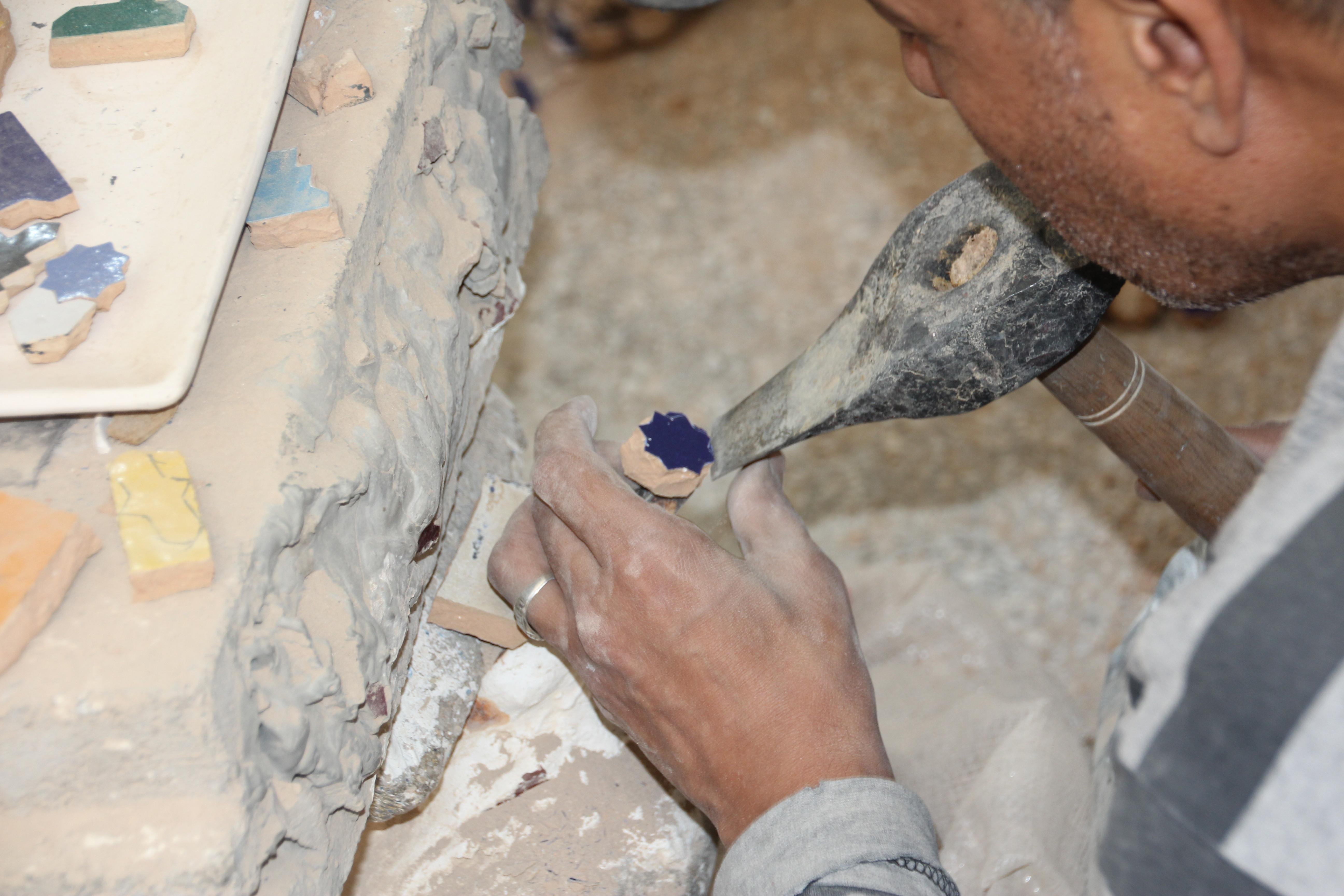
Master craftsmen use sharp hammers to carve geometric shapes by hand. It is fascinating to see the speed at which complex stars are created.
Raw tiles are dipped into vibrant mineral pigments before they enter the kiln. Each color represents traditional Moroccan regional styles.
These massive traditional ovens fire the pieces at high temperatures for days. The heat regulation is critical for achieving the distinct zellige finish.
Pieces are carefully arranged into intricate patterns that adorn famous Moroccan landmarks. Visitors see how thousands of individual tiles form a cohesive design.
They complement each other; serious learners prioritize the technical immersion of a zellige workshop fez, while those seeking an overview of Moroccan heritage prefer the breadth of a walking tour. These zellige workshop fez tours provide specialized artisan education, whereas the craft walking tour offers a broader perspective on ancient medina traditions.
| Feature | Top pick Zellige Workshop Fez | Fez Artisan Walking Tour |
|---|---|---|
Skill focus |
Geometric tile cutting | General craft overview |
Depth of instruction |
High technical detail | Introductory level |
Physical activity level |
Low (stationary bench) | Moderate (walking) |
Time commitment |
2–4 hours | 3–5 hours |
Tool usage |
Hammers and chisels | Observation only |
Final product creation |
Individual tile piece | None (demonstration) |
| See tickets → |
Verdict: Choose a zellige workshop fez ticket for hands-on mastery of tile geometry, or select the walking tour for a comprehensive view of local artisans.
Choose your ticket, select your date, and reserve in under two minutes. Secure checkout handled by our verified partner.
Instant confirmation by email, with a mobile voucher you can save offline. No printing, no queuing at a collection desk.
Arrive at the entrance, show your voucher on your phone, and walk in. Most tickets include priority or skip-the-line access.
Practical details for your visit straight from our verified partners — hours, access, rules, and how to get there.
Ain Nokbi, Fes
Look for the prominent artisanal sign.
The most direct method from Fes Medina to Ain Nokbi.
Casual and comfortable clothing is recommended for a zellige workshop fez experience. Closed-toe shoes are advised when working near clay and kilns.
Large backpacks and bulky luggage are discouraged due to limited space in the crafting areas. Security reserves the right to inspect personal items upon entry.
Photography is permitted in the workshop area, but please respect the privacy of artisans. Flash photography is prohibited during the firing process to maintain safety.
The ground-level workshop floor is mostly accessible. Some traditional areas may feature uneven terrain common in historical Fes industrial zones.
Mobile phones are permitted for capturing the craft process. Please keep devices tucked away while actively cutting geometric patterns.
The facility is family-friendly and suitable for children accompanied by adults. Hands-on sessions require supervision for younger participants handling sharp cutting tools.
No food or drink is available for purchase within the facility. Water is permitted, but please avoid consuming snacks in the tile-shaping areas.
No animals are allowed within the workshop premises. Service animals must be documented prior to arrival.
As a working artisanal center, visitors witness live production. Please follow all safety signage posted near the ceramic kilns.
Best time to go, insider tips, nearby landmarks, and the cancellation fine print — flip through to skim what matters to you.
How crowds, weather, and events shift across the year.
Mild temperatures ideal for extended crafting sessions.
Small details that turn a good visit into a great one.
Reserve your spot for hands-on sessions at least one week ahead to ensure availability.
Non-bookable sights within a short walk — free to visit, easy to pair.
Ancient walled city featuring dense historical architecture.
Historical center for religious studies with intricate tilework.
Renowned site showcasing sophisticated zellige patterns.
Showcases traditional woodworking in a historic setting.
Flexible, no hidden fees.
Full refunds are provided for cancellations made at least 48 hours before the scheduled hands-on session. The general workshop area remains open with 0 MAD entry fees regardless of booking status.
Hand-picked options within walking distance — pick a district for vibe, or a specific hotel for convenience.
Traditional luxury riad in the heart of the city.
Modern hotel with panoramic views of Fes.
Numerous boutique guesthouses within historical walls.
Simple lodging options near the old city gates.
Area containing various modern hotel chains.
The zellige workshop Fez tradition runs unbroken since the 10th century, when Andalusian refugees brought glazing techniques across the Strait of Gibraltar. Each geometric tile begins as raw clay hauled from Ain Nokbi's quarries, hand-pressed into molds carved by families who have occupied the same workshop corners for fourteen generations. The tessellation patterns—star polygons, interlocking octagons—are not drawn but memorized, passed through apprenticeship that begins at age twelve and spans a decade. Fez's medina shelters over forty working zellige ateliers, their kilns fired by olive-wood waste from nearby presses. The clay dries for seventy-two hours before its first biscuit firing at 980 degrees Celsius. Artisans then score each tile into precise fragments—some no wider than a thumbnail—that will be reassembled facedown into complex panels. The glaze palette remains bound by medieval formulas: cobalt blue from the Rif, manganese brown from the Middle Atlas, antimony yellow harvested near Erfoud. No two batches fire identically; kiln temperature shifts of fifteen degrees alter the final hue. Modern demand has not simplified the process. A single square meter of zellige fountain cladding requires 340 individual tiles, each hand-chiseled to fit its neighbor with a tolerance of half a millimeter. The medina's master craftsmen—mâalems—still reject pneumatic tools, insisting that motor vibration fractures the glaze microstructure. UNESCO's 2018 intangible heritage designation brought renewed apprenticeship enrollment, yet the median age of working mâalems now exceeds fifty-four. Visitors entering a zellige workshop tour encounter not a sanitized demonstration but an active production floor. Dust settles on centuries-old anvils. Apprentices crouch over mosaic beds that will eventually tile a Marrakech riad or a Gulf palace courtyard. The craft's survival depends less on tourism revenue than on the architectural restoration projects that still specify hand-cut zellige for historic hammams and medersas across North Africa.
"No two batches fire identically; kiln temperature shifts of fifteen degrees alter the final hue."
A step-by-step walkthrough of the visit — what you'll see, how long each stage takes, and the details that matter.
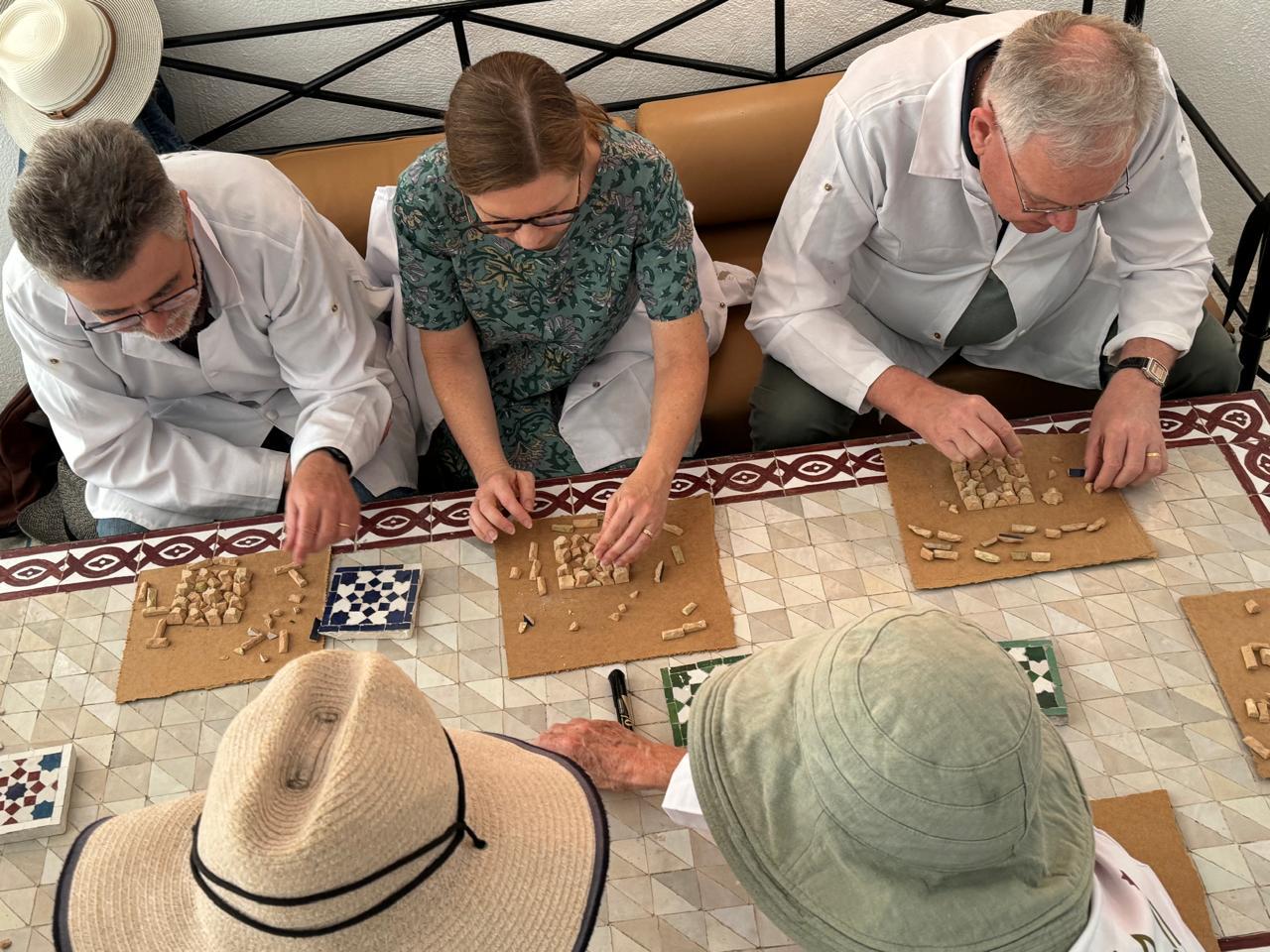
You arrive at Ain Nokbi mid-morning, when the atelier's three wood-fired kilns have reached working temperature. A mâalem hands you a fist-sized lump of terracotta clay, still cool and dense. You press it into a brass mold, smoothing the edges with a dampened sponge the way his grandfather taught him in 1971. The tile goes onto a drying rack alongside forty others you will never see again—this batch belongs to a commissioned fountain panel bound for Rabat. The mâalem leads you to the glazing station. You select cobalt blue from a row of hand-ground mineral pastes, each stored in a ceramic jar labeled in Arabic. He demonstrates the wrist angle—thirty degrees, no more—that prevents the glaze from pooling. Your first attempt drips. Your second coats evenly. The tile enters the kiln for its second firing, a six-hour process you will not witness. Instead, you move to the mosaic assembly floor. Pre-fired fragments in six colors lie sorted by shape. The mâalem sketches a twelve-pointed star pattern in chalk on a workbench. You begin fitting pieces facedown, guided by his hand when your geometry falters. The completed section—thirty centimeters square—will be embedded in mortar and flipped to reveal its face only after the grout cures. You leave with hands stained indigo, a fragment of surplus tile wrapped in newsprint, and the understanding that what you touched in two hours represents a fraction of a tradition measured in centuries.
The facility is open 09:00–18:00 Monday to Saturday, and 10:00–18:00 on Sunday.
Entry to the workshop area is 0 MAD, with additional costs only for hands-on sessions.
Yes, you can book dedicated zellige workshop fez tours through the official site.
Arrive between 09:00–16:00 to ensure enough time for the full crafting experience.
Children are welcome at the zellige workshop fez when supervised by adults.
Yes, you may take photos at the zellige workshop fez provided you do not disrupt artisans.
Entrance to the workshop area is free, but you should reserve zellige workshop fez tickets for paid sessions.
The workshop is located in Ain Nokbi, accessible by taxi or local transport.
Yes, authentic handmade items are available for purchase directly from the workshop artisans.
Bring comfortable clothes, a water bottle, and your curiosity for the zellige workshop fez.